How to Manage Your Time Effectively as a Store Owner is an essential guide for retail entrepreneurs looking to enhance their productivity and operational efficiency. Time management is not merely an organizational skill; it plays a pivotal role in determining the success or failure of a retail business. By understanding and implementing effective time management strategies, store owners can ensure that they maximize their resources, optimize staff performance, and ultimately improve their bottom line.
This guide delves into the various aspects of time management, exploring techniques for setting priorities, planning schedules, delegating tasks, and tracking time. Each section offers valuable insights and actionable steps that will empower store owners to take control of their time and create a more balanced, productive work environment.
Understanding Time Management
Effective time management is crucial for store owners, as it directly influences not only day-to-day operations but also long-term business success. By managing their time wisely, store owners can enhance productivity, reduce stress, and create a more organized work environment. This entails setting priorities, planning tasks, and delegating responsibilities appropriately, all of which contribute to the overall efficiency of their retail business.There are numerous time-wasting activities that store owners often encounter in retail management.
Recognizing these pitfalls is essential for mitigating their effects. Common distractions include excessive meetings that do not yield actionable outcomes, prolonged social media engagement, and inefficient inventory management practices. Each of these activities siphons time away from more critical tasks that contribute to the store’s profitability and growth.
Impact of Poor Time Management on Business Performance
The repercussions of inadequate time management can be detrimental to a retail business. Poor time management manifests in various ways, including decreased employee morale, reduced customer satisfaction, and heightened operational inefficiencies. When tasks are inadequately prioritized or deadlines are missed, it can lead to a backlog of work, ultimately affecting the store’s bottom line.The following points highlight specific negative outcomes associated with poor time management:
- Decreased Productivity: Employees may feel overwhelmed, leading to lower output and diminished quality of work.
- Poor Customer Service: Delays in responding to customer inquiries or restocking shelves can result in lost sales and a damaged reputation.
- Increased Employee Turnover: Stressful work environments caused by poor time management can lead to higher turnover rates, increasing recruitment and training costs.
- Financial Losses: Inefficient inventory practices can lead to overstocking or stockouts, directly affecting revenue and profitability.
“Time management is a key driver of operational efficiency in retail, influencing customer satisfaction and overall business success.”
In summary, recognizing the importance of effective time management and addressing common time-wasting activities can significantly enhance a store owner’s ability to operate efficiently and achieve long-term business goals.
Setting Goals and Priorities

Establishing clear goals and priorities is essential for effective time management as a store owner. By outlining what is important and setting achievable objectives, you create a roadmap that guides daily operations and enhances productivity. This section will explore how to create SMART goals tailored specifically for store management and provide methods for prioritizing tasks effectively.
Creating SMART Goals for Store Management
SMART goals are characterized by being Specific, Measurable, Achievable, Relevant, and Time-bound. Utilizing this framework can ensure that your objectives are well-defined and achievable within a set timeframe. Here are the components of SMART goals explained in the context of store management:
- Specific: Clearly define what you want to achieve. For instance, instead of stating “increase sales,” say “increase monthly sales of organic products by 15%.” This specificity helps in guiding efforts and tracking progress.
- Measurable: Establish criteria to measure your progress. You could set a target to sell 500 units of a particular product within three months, enabling you to assess your success quantitatively.
- Achievable: Ensure that your goals are realistic. Setting a target to double your sales in a month may not be feasible, but aiming for a 10% increase is more attainable and motivating.
- Relevant: Align your goals with your overall business objectives. If your store focuses on sustainability, a goal to source eco-friendly products aligns well with your mission.
- Time-bound: Assign a timeframe for achieving your goals. For example, “launch a new product line within the next quarter” provides a clear deadline that can help in planning and execution.
Methods for Prioritizing Daily Tasks
Prioritizing tasks effectively helps in managing time and resources efficiently. By distinguishing between urgent and important tasks, you can focus on what will yield the best results for your store. Here are methods to help prioritize your daily tasks:
- Use the Eisenhower Matrix: This tool allows you to categorize tasks based on urgency and importance. Tasks are divided into four quadrants:
- Urgent and Important: Tasks that require immediate attention, such as resolving customer complaints.
- Important but Not Urgent: Tasks that are significant but can be scheduled for later, like planning marketing strategies.
- Urgent but Not Important: Tasks that need to be done soon but do not significantly impact overall goals, such as responding to some emails.
- Not Urgent and Not Important: Tasks that can be eliminated or delegated, such as organizing storage areas.
- Daily and Weekly Reviews: Consistently reviewing your task lists at the end of each day and week helps you to reflect on accomplishments and reassess priorities. This practice ensures that you remain aligned with your goals.
Examples of Categorizing Tasks into Urgent and Important
Understanding the difference between urgent and important tasks is pivotal for effective time management. Below are examples to illustrate how to categorize your daily activities:
“Tasks that are important contribute to long-term objectives, while urgent tasks demand immediate actions.”
- Urgent and Important: Addressing a major customer issue that could lead to loss of sales; implementing a safety protocol after an incident.
- Important but Not Urgent: Developing a new marketing strategy; training staff on new product features.
- Urgent but Not Important: Responding to a non-critical email from a supplier; completing minor administrative tasks that can be delegated.
- Not Urgent and Not Important: Browsing social media during work hours; organizing old receipts that do not affect current operations.
Implementing these strategies for setting goals and prioritizing tasks can significantly enhance the effectiveness of store management, leading to improved performance and a more organized workflow.
Planning and Scheduling

Effective planning and scheduling are essential components for the successful operation of any retail store. These practices not only maximize productivity but also ensure that tasks are completed efficiently within the available time. A well-structured weekly schedule helps store owners allocate resources wisely, manage staff effectively, and maintain a balanced workflow. Implementing systematic scheduling techniques fosters a productive environment that can significantly enhance overall store performance.
Weekly Schedule Template for Store Operations
Creating a weekly schedule template tailored for store operations is crucial for organizing daily tasks and responsibilities. A template allows for flexibility while providing a clear framework to manage the store’s activities. Here is a suggested weekly schedule template:
| Day | Time Slot | Task/Activity | Assigned To |
|---|---|---|---|
| Monday | 9:00 AM – 11:00 AM | Inventory Check | Manager |
| Monday | 11:00 AM – 1:00 PM | Staff Meeting | All Staff |
| Tuesday | 10:00 AM – 12:00 PM | Sales Promotions Planning | Marketing Team |
| Wednesday | 1:00 PM – 3:00 PM | Customer Service Training | HR |
| Thursday | 9:00 AM – 12:00 PM | Product Restocking | Warehouse Staff |
| Friday | 10:00 AM – 4:00 PM | Sales Analysis | Finance Team |
| Saturday | 10:00 AM – 2:00 PM | Store Clean-up | All Staff |
| Sunday | Closed | Rest Day | – |
The above template can be adjusted according to specific store needs and local business practices. It provides a clear overview of responsibilities, ensuring that all aspects of store operations are accounted for throughout the week.
Tools and Software for Scheduling Tasks
In today’s digital age, various tools and software solutions can significantly enhance scheduling efficiency for store owners. These tools offer user-friendly interfaces, allowing for easy task management and collaboration among team members. Here are some notable options:
- Google Calendar: A versatile scheduling tool that allows for shared calendars among team members, facilitating easy coordination and reminders for key tasks.
- Trello: A project management application that helps visualize tasks using boards, lists, and cards. It is particularly effective for tracking progress on various store operations.
- Asana: A comprehensive task management platform that enables users to create projects, assign tasks, and set deadlines, ensuring accountability among staff.
- Slack: While primarily a communication tool, Slack’s integration capabilities allow for task scheduling and reminders, keeping team members informed and aligned.
- Shiftboard: A robust workforce management solution specifically designed for scheduling shifts, allowing for easy adjustments based on employee availability and store needs.
Utilizing these tools can streamline operations, minimize scheduling conflicts, and ensure that all staff members are aware of their responsibilities.
Block Scheduling Techniques for Maximizing Productivity
Block scheduling is a time management approach that involves allocating specific blocks of time for particular tasks or activities. This technique can significantly enhance productivity by minimizing distractions and creating a focused work environment. Implementing block scheduling can be achieved through the following methods:
- Time Blocking: Designate specific times for individual tasks, such as customer service, inventory management, or staff training. For example, a store owner may set aside two hours each afternoon solely for addressing customer inquiries.
- Themed Days: Assign specific themes to particular days of the week. For instance, Mondays could focus on inventory, while Wednesdays may prioritize marketing efforts. This ensures that each aspect of the business receives regular attention.
- Pomodoro Technique: Break work into intervals, traditionally 25 minutes in length, followed by a short break. This method enhances concentration and mitigates burnout, making it especially suitable for tasks that require sustained focus.
- Batch Processing: Group similar tasks together and complete them consecutively. For example, handle all email inquiries in one sitting rather than sporadically throughout the day. This reduces context-switching and improves efficiency.
Implementing block scheduling techniques fosters a structured approach to time management, ultimately leading to increased productivity and improved operational efficiency within the store.
Delegation of Tasks
Effective delegation is a crucial skill for store owners seeking to manage their time efficiently and foster a productive work environment. By entrusting certain responsibilities to staff members, owners not only alleviate their workload but also empower their employees, enhancing overall team performance and morale.The process of delegation involves identifying which tasks can be effectively assigned to others. This allows store owners to focus on high-priority responsibilities while ensuring that operational needs are met.
Below are the steps to identify tasks that are suitable for delegation:
Steps to Identify Tasks for Delegation
Recognizing which tasks can be delegated is essential for maximizing efficiency. The following points Artikel a systematic approach to this identification process:
- Assess Workload: Evaluate daily tasks to determine which ones are routine or repetitive, as these are often suitable for delegation.
- Identify Employee Strengths: Understand employee skill sets and interests to match tasks with the right individuals, fostering engagement and efficiency.
- Analyze Time Consumption: Consider the time each task consumes; tasks that are time-intensive yet not critical for the owner to perform can be delegated.
- Prioritize Responsibilities: Focus on high-level strategic tasks that require your unique expertise, while delegating more operational duties.
After identifying tasks for delegation, it is crucial to ensure that employees are equipped to handle these responsibilities competently. Training is key to effective delegation.
Methods for Training Employees for Delegated Tasks
Training employees is vital for ensuring that they can meet the expectations associated with delegated tasks. Here are effective methods for training staff:
- Provide Clear Instructions: Offer detailed guidelines outlining the objectives and expectations for the delegated tasks, ensuring that employees understand their responsibilities.
- Utilize On-the-Job Training: Allow employees to shadow you or experienced staff members during the execution of tasks to gain practical insights and hands-on experience.
- Encourage Questions: Foster an environment where employees feel comfortable asking questions to clarify uncertainties, thereby promoting learning and confidence.
- Set Up Regular Check-Ins: Schedule periodic meetings to discuss progress, provide feedback, and address any challenges that may arise during task execution.
“Effective delegation not only optimizes time management but also nurtures a culture of collaboration and growth within the team.”
Time Tracking Techniques
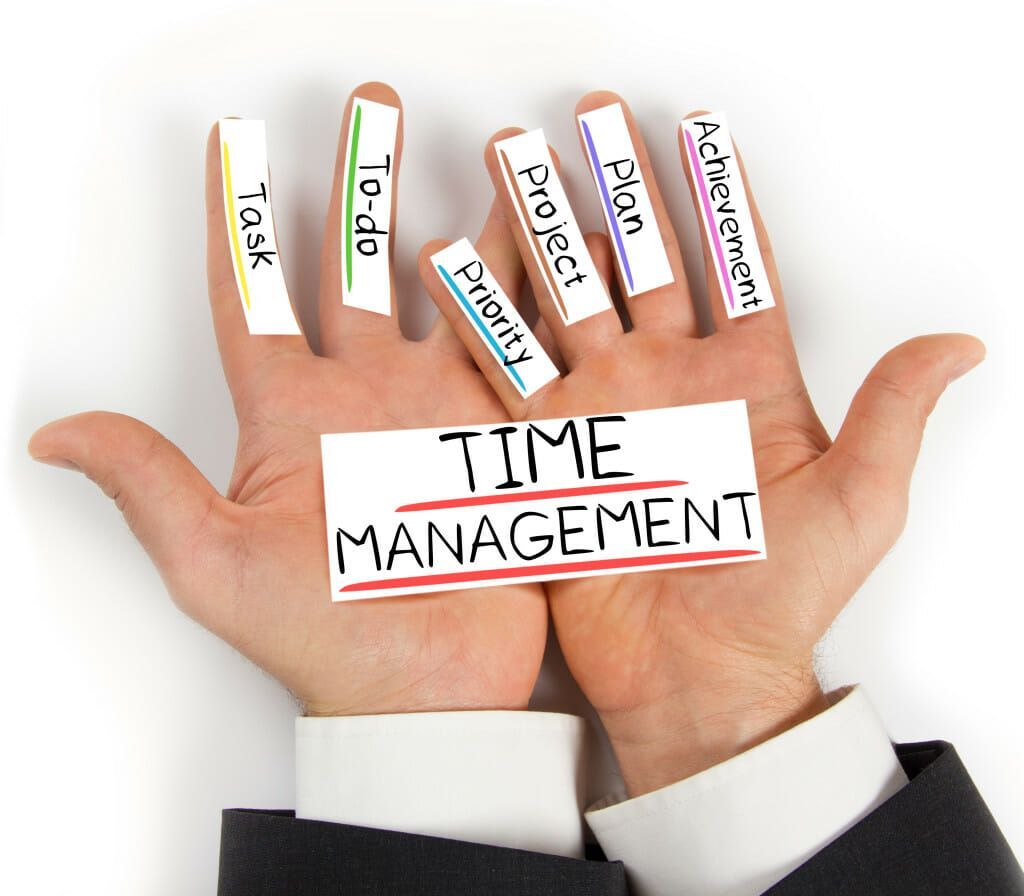
Effective time tracking is essential for store owners who wish to enhance their productivity and manage their operations efficiently. By keeping accurate records of how time is spent, store owners can identify areas for improvement and ensure that resources are allocated appropriately.Time tracking tools and applications can significantly aid in monitoring time usage. These tools not only help in logging hours but also in analyzing patterns and trends that can lead to better time management practices.
Here are some notable time tracking tools suitable for store owners:
Overview of Time Tracking Tools
Utilizing time tracking software can streamline the process of managing time. The following are popular options that cater to various needs of store owners:
- Toggl: A user-friendly application that allows users to track time spent on tasks and projects with insightful reporting features.
- Harvest: This tool enables tracking of time and expenses, providing an intuitive interface for monitoring project timelines and budgets.
- Clockify: A free time tracker that helps in logging hours and offers reports that highlight productivity levels.
- RescueTime: This software runs in the background, tracking time spent on different applications and websites, assisting users in managing their focus.
Analyzing time usage is crucial for improving efficiency. Once time is logged, it is important to evaluate how that time aligns with business goals.
Methods for Analyzing Time Usage
Analyzing time usage helps store owners identify time-wasting activities and tasks that consume more resources than they should. The following methods are effective in this analysis:
- Review Daily Logs: Regularly reviewing time logs can highlight trends in productivity and pinpoint tasks that may require streamlining.
- Utilize Reports: Most time tracking tools offer reporting features that summarize time spent on various projects or tasks, providing visual insights for better decision-making.
- Identify Bottlenecks: Analyzing time data can reveal inefficiencies in work processes, allowing owners to address bottlenecks and redistribute tasks accordingly.
Maintaining accurate records of time spent on various tasks is vital for continuous improvement.
Best Practices for Time Tracking
Keeping precise records helps in making informed decisions regarding time management. Here are best practices to ensure effective time tracking:
- Consistency: Log time consistently for all tasks, ensuring that no activity goes unrecorded.
- Set Clear Categories: Define specific categories or projects for tracking time, which simplifies analysis and reporting.
- Regular Updates: Update time logs regularly, ideally in real-time, to avoid forgetting details about tasks.
- Reflect and Adjust: On a weekly or monthly basis, reflect on the recorded time and make adjustments to improve productivity and time allocation.
By implementing effective time tracking techniques, store owners can improve their operational efficiency, leading to better time management practices and enhanced productivity outcomes.
Overcoming Procrastination
In retail settings, procrastination can significantly hinder productivity and overall business success. Identifying the root causes of procrastination among store owners and staff is essential for developing effective strategies to combat it. Common triggers may include overwhelming tasks, lack of motivation, or unclear goals, which can lead to delays in operations and missed sales opportunities.Recognizing and addressing these triggers is vital.
To effectively overcome procrastination, store owners and their staff can implement several strategies that foster a productive work environment. These strategies can help in managing both individual tasks and team dynamics.
Common Causes of Procrastination in Retail Settings
Understanding the underlying factors contributing to procrastination can aid in addressing them effectively. Common causes include:
- Overwhelming Workload: The multitude of tasks often feels unmanageable, leading to avoidance.
- Lack of Motivation: Staff may feel uninspired or disengaged in their roles, which hampers productivity.
- Poor Goal Clarity: Unclear objectives can result in confusion and indecision, causing delays.
- Distractions: The retail environment is often filled with interruptions, making it hard to focus.
Strategies for Overcoming Procrastination
Developing strategies to overcome procrastination is crucial for maintaining an efficient workflow. Implementing the following techniques can help store owners and staff remain focused and productive:
- Break Down Tasks: Dividing larger tasks into smaller, manageable steps can make work seem less daunting and easier to tackle.
- Set Clear Deadlines: Creating specific deadlines for each task encourages accountability and urgency.
- Prioritize Tasks: Utilizing a priority matrix can help in identifying which tasks need immediate attention versus those that can be addressed later.
- Minimize Distractions: Create a focused work environment by reducing interruptions and utilizing tools to limit distractions.
The Role of Accountability Partners
Having an accountability partner can significantly improve motivation and focus among store staff and owners. These partners can help maintain a commitment to tasks and provide support during challenging periods. The effectiveness of accountability partnerships is evident in the following ways:
- Enhanced Focus: Regular check-ins with an accountability partner can help keep individuals on track and committed to their goals.
- Increased Motivation: Sharing progress and challenges with a partner fosters a sense of community and support that can boost morale.
- Constructive Feedback: Accountability partners can provide valuable insights and feedback that may help in refining strategies and improving outcomes.
- Shared Responsibility: Knowing that someone else is invested in your progress encourages a higher level of commitment to completing tasks.
The commitment to overcome procrastination can lead to a more productive retail environment, enhancing both individual and team performance.
Continuous Improvement
In the ever-evolving retail landscape, continuous improvement in time management practices is essential for store owners striving for operational excellence. Regularly assessing and refining time management strategies not only enhances productivity but also fosters a positive work environment where employees feel valued and engaged.Establishing a systematic approach for reviewing and adjusting time management strategies can significantly benefit store operations. Store owners should create a structured plan that involves routine evaluations, allowing for the identification of areas needing enhancement and the celebration of successes.
This proactive approach cultivates a culture of improvement and accountability.
Regular Review and Adjustment Plan
Implementing a robust review process is crucial for maintaining effective time management practices. The following steps can be integrated into a comprehensive plan for regular assessment:
1. Schedule Periodic Reviews
Set specific intervals—monthly or quarterly—where time management strategies are evaluated against set objectives and outcomes.
2. Engage Employees
Involve team members in these reviews to gain insights into their experiences and suggestions for improvement.
3. Analyze Performance Metrics
Utilize data from sales reports, customer feedback, and employee productivity assessments to identify trends that indicate the effectiveness of current time management practices.
4. Adjust Strategies as Needed
Based on the findings, make informed adjustments to time management techniques to better align with store goals.
Employee Feedback Methods
Gathering feedback from employees regarding time management practices fosters an inclusive atmosphere and highlights areas for improvement. Effective methods for soliciting employee input include:
Surveys
Develop anonymous surveys to gather honest feedback on time management practices, allowing employees to express their thoughts freely.
One-on-One Meetings
Conduct regular individual meetings with employees to discuss their workload and gather suggestions for improving time management.
Team Workshops
Facilitate workshops where employees can collaboratively brainstorm ideas and contribute to the enhancement of time management strategies.
Successful Time Management Changes
Numerous store owners have successfully implemented time management changes that have resulted in enhanced efficiency and productivity. A few noteworthy examples include:
- A local grocery store owner integrated a digital scheduling tool that allowed employees to view their schedules in real time, resulting in reduced scheduling conflicts and improved staff satisfaction.
- A boutique retailer utilized time tracking software to identify peak sales hours, enabling better staffing decisions during busy periods and ultimately increasing overall sales.
- A home goods store implemented regular team huddles to discuss daily priorities, which significantly improved communication and ensured that tasks were aligned with business objectives.
By embracing continuous improvement in time management, store owners can create a more efficient, motivated, and ultimately successful retail environment.
Work-Life Balance for Store Owners
Maintaining a healthy work-life balance is crucial for store owners who often find themselves immersed in the daily operations of their business. The demands of running a store can be overwhelming, leading to stress and burnout if personal time is neglected. Achieving a balanced lifestyle allows for improved mental health, better relationships, and increased productivity.Establishing a clear distinction between work and personal life is essential for preserving this balance.
Store owners must set boundaries that help them delineate when they are ‘on the clock’ and when they can focus on personal interests, family, and self-care. This clarity not only enhances personal well-being but also fosters a more sustainable approach to business management.
Techniques for Setting Boundaries
Creating effective boundaries is vital for store owners. Implementing these techniques can significantly improve work-life balance:
1. Designate Specific Work Hours
Clearly define your store hours and stick to them. This helps create a routine that reinforces the separation between work and personal time.
2. Create a Dedicated Workspace
If working from home, establish a specific area for work. This physical separation helps signal to your mind when it is time to work and when it is time to relax.
3. Utilize Technology Wisely
Set boundaries with technology by silencing notifications from work-related apps during personal time. This minimizes distractions and promotes focused time for relaxation or family.
4. Communicate Availability
Inform employees and customers of your availability. If potential customers or employees know when you are available, they are less likely to interrupt your personal time.
5. Set Personal Goals
Establishing personal goals outside of work can help prioritize your time. Whether it’s fitness, hobbies, or spending time with family, make these goals a priority.
Scheduling Personal Time
Carving out personal time amidst store responsibilities is essential for fostering a balanced life. Here are several tips to effectively schedule personal time:
Block Time on Your Calendar
Just as you would schedule a business meeting, allocate specific time slots for personal activities. Treat this time as non-negotiable and essential for your well-being.
Prioritize Self-Care Activities
Engage in activities that rejuvenate you, such as exercising, reading, or pursuing hobbies. These activities can significantly reduce stress and improve focus when you return to work.
Establish a Weekly Review
At the end of each week, review your time commitments. Assess whether personal time was adequately prioritized and adjust your schedule for the following week to better incorporate it.
Involve Family and Friends
Schedule regular gatherings with family and friends. Incorporating social time into your schedule ensures that you maintain relationships outside of work.
Practice Mindfulness Techniques
Integrating mindfulness practices into your daily routine can help you unwind and detach from work. Consider techniques such as meditation or yoga, which can improve mental clarity and relaxation.
Maintaining a healthy work-life balance is not just beneficial; it is vital for the longevity of both personal happiness and business success.
Final Summary

In conclusion, mastering time management is a vital skill for every store owner striving for growth and success. By implementing the strategies discussed in this guide, you can efficiently allocate your time, delegate effectively, and maintain a healthy work-life balance. The journey toward effective time management may require continuous improvement and adaptation, but with dedication and the right tools, you will find yourself not only running a successful store but also enjoying the rewards of your hard work.