How to Handle Out-of-Stock Products Gracefully invites you to explore the intricacies of managing stock shortages while maintaining customer satisfaction. In today’s fast-paced retail environment, out-of-stock situations can create challenges not only for businesses but also for consumers eagerly seeking their desired products. Understanding the reasons behind stockouts and implementing effective communication strategies can transform a potentially negative experience into an opportunity for fostering customer loyalty and trust.
This comprehensive discussion delves into the common causes of stockouts, the importance of transparent communication with customers, and innovative alternatives to keep shoppers engaged. By equipping yourself with effective inventory management techniques and customer support strategies, you can mitigate the impact of stockouts and build lasting relationships with your clientele.
Understanding Out-of-Stock Situations
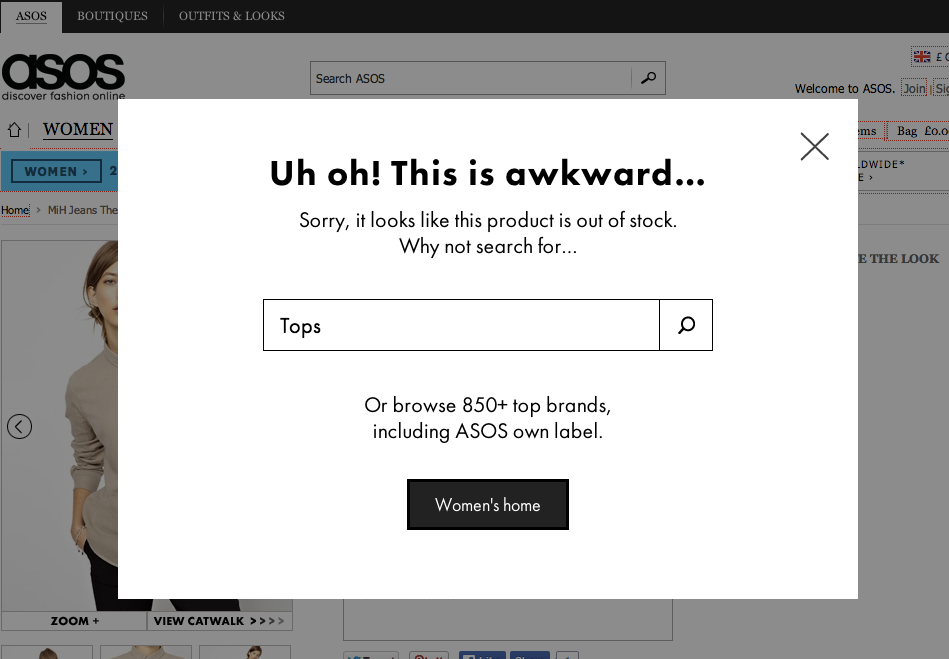
Out-of-stock situations are a common challenge faced by retailers across various industries. Understanding the reasons behind these occurrences and their implications for both businesses and customers is crucial for effective management. This segment will explore the common causes of stock shortages, the effects on customer satisfaction, and provide examples of industries often impacted by these challenges.One prevalent reason for products going out of stock is fluctuations in demand.
Seasonal trends, promotional campaigns, or unexpected spikes in consumer interest can rapidly deplete inventory levels. Additionally, supply chain disruptions—such as delays in shipping, production issues, or raw material shortages—can further exacerbate stock shortages. Retailers may also fail to accurately predict demand, leading to insufficient stock levels to meet customer needs. In some cases, products may simply be popular beyond expectations, leading to quick sellouts.
Impact of Out-of-Stock Situations on Customer Satisfaction
Out-of-stock situations can significantly impact customer satisfaction and brand loyalty. When customers encounter unavailable products, their experience may be marred by frustration and disappointment. This can lead to lost sales, as customers may turn to competitors to fulfill their needs. The importance of addressing stock shortages cannot be overstated, as it often influences purchasing decisions and overall consumer perception. Key points regarding the impact of stock shortages include:
- Customer Trust: Repeated out-of-stock incidents can erode customer trust in a brand’s ability to deliver products as promised.
- Brand Reputation: A brand’s reputation may suffer if consumers frequently encounter stock issues, leading to negative reviews and diminished consumer interest.
- Sales Loss: The immediate consequence of out-of-stock products is the potential loss of sales, as customers may seek alternatives elsewhere.
- Customer Retention: Maintaining a loyal customer base becomes challenging when products are consistently unavailable, leading to potential long-term revenue loss.
Industries Frequently Experiencing Stock Shortages
Several industries are particularly prone to stock shortages, often due to the nature of their products or market dynamics. Understanding these sectors provides insights into the broader implications of out-of-stock situations.
- Fashion Retail: The fast-paced nature of fashion can lead to rapid sellouts, especially during sales events or seasonal launches.
- Consumer Electronics: With the constant release of new technologies, electronics often experience stock shortages during product launches, such as smartphones or gaming consoles.
- Food and Beverage: Seasonal ingredients or unexpected demand spikes, such as during holidays, can result in temporary shortages in the food sector.
- Health and Beauty Products: Popular items or new product launches can lead to quick sellouts in the health and beauty industry.
“Understanding the reasons for stock shortages and their impact on customer satisfaction is essential for retailers to maintain a competitive edge.”
Communicating Out-of-Stock Information
Effective communication is essential when managing out-of-stock products. Clear notifications not only help maintain customer trust but also enhance the overall shopping experience. It is imperative to approach this communication with transparency and empathy to ensure customers feel valued and informed.
Message Template for Notifying Customers
Creating an effective message template for notifying customers about out-of-stock products is crucial. A well-structured message should include the following elements:
- Clear Product Identification: Begin with the product name and description to avoid any confusion.
- Apology Statement: Acknowledge the inconvenience caused by the unavailability of the product.
- Expected Restock Date: If known, provide an estimated date when the product will be available again.
- Alternative Options: Suggest similar products or alternatives to keep the customer engaged.
- Contact Information: Offer a way for customers to reach out for further assistance or inquiries.
Example template:“`Subject: Update on Your Product AvailabilityDear [Customer Name],Thank you for your interest in [Product Name]. We regret to inform you that this item is currently out of stock. We sincerely apologize for any inconvenience this may cause.We anticipate that [Product Name] will be available again by [Expected Restock Date]. In the meantime, you might find our [Alternative Product 1] or [Alternative Product 2] interesting.Should you have any questions or require assistance, please do not hesitate to contact us at [Contact Information].Thank you for your understanding.Best regards,[Your Company Name]“`
Strategies for Communicating Stock Issues on E-commerce Platforms
Effectively managing stock communication on e-commerce platforms requires strategic implementation. Here are key strategies to consider:
- Real-Time Updates: Utilize tools that update stock availability in real-time to prevent customers from ordering unavailable products.
- Prominent Notifications: Place out-of-stock notifications visibly on product pages to ensure customers are informed before making a decision.
- Back-in-Stock Alerts: Offer customers the option to sign up for notifications when out-of-stock items become available again.
- Social Media Engagement: Use social media channels to inform followers about stock updates and availability in a timely manner.
- FAQ Updates: Regularly update your FAQ section to address common inquiries regarding stock situations, including backorders and restock policies.
Importance of Transparency When Informing Customers
Transparency is vital when addressing out-of-stock situations. Acknowledging the issue and providing clear information fosters trust and loyalty among customers. Consider the following aspects:
- Builds Trust: Customers appreciate honesty regarding product availability. Transparent communication can enhance their perception of your brand.
- Improves Customer Loyalty: Open communication encourages repeat business, as customers are more likely to return to a brand that keeps them informed.
- Reduces Frustration: By providing timely updates, customers can make informed decisions, reducing potential frustration during their shopping experience.
- Enhances Brand Reputation: A company that communicates effectively is often viewed as more reputable and reliable in the eyes of consumers.
“Transparency in communication not only informs customers but also strengthens their relationship with the brand.”
Alternatives to Out-of-Stock Items
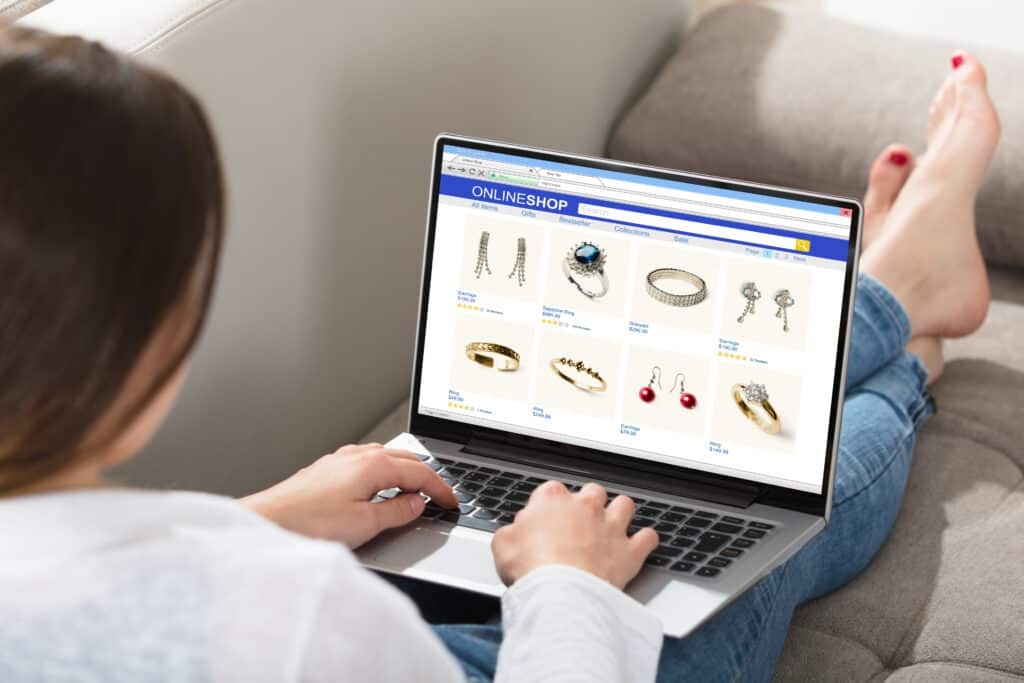
In the retail landscape, encountering out-of-stock items is a common challenge that can frustrate customers and impact sales. However, businesses can turn this situation into an opportunity by effectively suggesting alternatives to maintain customer satisfaction and loyalty. Understanding how to present similar products, alternative solutions, and options for backordering can significantly enhance the customer experience.Offering alternatives is crucial when popular items are unavailable.
It is essential to identify methods for suggesting similar products, thereby guiding customers to options that meet their needs. Here are some strategies to consider:
Methods to Suggest Similar Products to Customers
Utilizing technology and customer service expertise can streamline the process of recommending alternatives. Implementing product recommendation systems, either through algorithms or trained staff, can help customers find suitable replacements. A few effective methods include:
- Algorithm-Based Recommendations: Leverage data-driven tools that analyze customer behavior and past purchases to suggest products that align with their interests.
- Staff Recommendations: Train staff to understand product features and benefits, enabling them to provide personalized advice based on customer inquiries.
- Customer Reviews: Highlight similar products that have positive customer feedback, making it easier for shoppers to compare and select alternatives.
- Bundles and Packages: Create product bundles that include out-of-stock items’ alternatives, encouraging customers to explore related products.
Alternative Solutions When Key Products Are Unavailable
When core offerings are not available, businesses should have contingency plans in place to provide customers with meaningful alternatives. These solutions can help mitigate the frustration associated with out-of-stock items.Consider the following alternative solutions:
- Product Substitutes: Identify products that serve similar functions or have comparable features, ensuring customers find value in their options.
- Temporary Discounts: Offer discounts on alternative products to make them more appealing compared to the out-of-stock items.
- Informational Content: Provide guides or content that explains the differences and advantages of alternatives, helping customers make informed choices.
- Limited-Time Offers: Introduce promotional offers on substitute products to encourage customers to try something new.
Options for Backordering or Pre-ordering
Providing customers with the ability to backorder or pre-order out-of-stock items can maintain their interest and engagement. This approach allows customers to secure their desired products, ensuring they do not miss out when items become available again.Implementing these options involves:
- Clear Communication: Inform customers about estimated restock dates and procedures for backordering, fostering transparency in the purchasing process.
- Seamless User Experience: Ensure the backordering or pre-ordering process is user-friendly on the website or in-store, making it easy for customers to place their orders.
- Order Tracking: Provide updates on the status of backorders, keeping customers informed about their purchases and enhancing their trust in the business.
- Incentivized Pre-orders: Offer promotions, such as discounts or exclusive items for customers who opt for pre-ordering, making it an attractive choice.
Customer Support Strategies
Effective customer support is critical in maintaining customer satisfaction, especially when handling inquiries about out-of-stock products. Training customer service representatives to manage these situations with empathy and clarity can significantly enhance the customer experience and foster loyalty.
Training Customer Service Representatives
Equipping customer service representatives with the right skills and knowledge is essential for addressing out-of-stock inquiries. Training should focus on the following areas:
- Product Knowledge: Representatives must have comprehensive knowledge of inventory and the reasons for stock shortages. This enables them to provide accurate information to customers.
- Empathy Development: Training should include role-playing exercises to cultivate empathetic communication. Representatives should learn to express understanding and concern for the customer’s predicament.
- Problem-Solving Skills: Staff should be trained to offer suitable alternatives or solutions when an item is out of stock. This can include suggesting similar products or informing customers about expected restock dates.
- Communication Techniques: Emphasizing clear and positive communication helps in delivering unfavorable news without diminishing the customer’s experience. Representatives should practice using language that is reassuring and straightforward.
Empathetic Response Examples
Effective communication is key when informing customers about out-of-stock items. Here are some examples of empathetic responses that can be utilized in customer interactions:
-
“I understand how disappointing it can be when a product you want is out of stock. We deeply apologize for the inconvenience and appreciate your patience.”
-
“Thank you for your understanding regarding this situation. I can help you find a similar item that may meet your needs.”
-
“We value your interest in our products. Unfortunately, this item is currently unavailable, but we would be happy to notify you as soon as it’s back in stock.”
-
“I’m sorry for the frustration this may cause. Let me check our restocking schedule for you.”
Managing Customer Expectations on Restocking Timelines
Setting and managing customer expectations regarding restocking timelines is crucial for maintaining trust. Here are some effective strategies to ensure customers are informed:
- Clear Communication: Always provide customers with a realistic timeframe for when they can expect the item to be restocked. Transparency helps to set proper expectations.
- Regular Updates: Keeping customers informed about changes to restocking timelines can alleviate frustration. Use emails or notifications to update customers on the status of their desired products.
- Encourage Patience: Communicate the reasons behind stock shortages, such as high demand or supply chain issues, to foster understanding.
- Promote Alternatives: Suggest similar items or alternative products available for immediate purchase, which can help satisfy customer needs while they wait for the original desired item.
Inventory Management Techniques

Effective inventory management is crucial for businesses aiming to provide consistent service and maintain customer satisfaction. Navigating the complexities of inventory forecasting and management can significantly reduce the likelihood of stockouts, ensuring a seamless experience for customers and optimal operational efficiency.
Importance of Effective Inventory Forecasting
Accurate inventory forecasting allows businesses to anticipate demand for products and manage stock levels accordingly. By analyzing historical sales data, seasonal trends, and market conditions, companies can minimize the risk of stockouts. An effective forecasting strategy not only enhances customer satisfaction by ensuring product availability but also reduces excess inventory costs.
“Accurate forecasting can lead to a reduction in stockouts by up to 30%.”
Best Practices for Maintaining Optimal Stock Levels
Maintaining optimal stock levels requires a strategic approach to inventory management. Implementing best practices can help businesses achieve a balance between supply and demand. Key practices include:
- Regular Inventory Audits: Conducting periodic reviews of inventory helps to identify slow-moving items and adjust orders accordingly.
- Safety Stock Levels: Establishing safety stock levels can cushion against unexpected surges in demand, allowing for a buffer that prevents stockouts.
- Supplier Relationships: Building strong relationships with suppliers can lead to better communication and quicker restocking in case of unexpected demand spikes.
- Batch Tracking: Implementing batch tracking for perishable or time-sensitive products helps to manage stock effectively and reduce waste.
Tools and Technologies for Inventory Tracking
Employing advanced tools and technologies can significantly enhance the accuracy and efficiency of inventory management. Various solutions are available that cater to different business needs, including:
- Inventory Management Software: Software solutions such as TradeGecko, Fishbowl, and Zoho Inventory provide real-time insights into stock levels, streamline ordering processes, and automate reporting.
- Barcode Scanning Systems: Utilizing barcode systems can expedite inventory tracking, reducing errors and improving the speed of stocktaking processes.
- Forecasting Tools: Tools like Netstock and Forecastly leverage machine learning to analyze trends and predict future demand, allowing businesses to make informed inventory decisions.
- Cloud-Based Solutions: Cloud technology enables businesses to access inventory data from anywhere, facilitating better decision-making and collaboration across teams.
Building Customer Loyalty During Stockouts
In times of stock shortages, maintaining customer loyalty is crucial for businesses to foster long-term relationships with their clientele. A strategic approach to handling out-of-stock situations can transform a potential negative experience into an opportunity for building trust and enhancing brand loyalty. By focusing on customer satisfaction and effective communication, companies can navigate stockouts in a way that strengthens their connection with customers.The implementation of incentive strategies for customers affected by stock shortages can significantly boost loyalty.
Offering discounts, store credits, or exclusive access to future products can make customers feel valued despite the inconvenience. For example, providing a 10% discount on their next purchase or a small gift with their next order can encourage customers to return. Additionally, ensuring that customers are aware of these incentives through timely communication can reinforce their positive experience with the brand.
Using Out-of-Stock Situations to Build Brand Trust and Loyalty
Out-of-stock situations present a unique opportunity for brands to demonstrate their commitment to customer care. Transparency about stock levels, anticipated restocking dates, and the reasons for supply issues can foster trust. When customers feel informed, they are more likely to remain loyal, even during product shortages. The following approaches can be effective in utilizing stockouts to enhance brand loyalty:
- Clear Communication: Use multiple channels, such as email and social media, to communicate stock levels and expected restock dates. This keeps customers informed and engaged.
- Empathy in Messaging: Craft messages that acknowledge customer frustration with out-of-stock items and assure them of your commitment to resolving the issue.
- Personalized Offers: Target affected customers with tailored offers such as discounts or exclusive promotions on similar items, enhancing their shopping experience.
- Feedback Channels: Open channels for customer feedback to foster a sense of community and involvement, allowing customers to feel heard and valued.
Personalized Communication in Retaining Customers
The role of personalized communication cannot be overstated in maintaining customer loyalty during out-of-stock situations. Tailoring communication to individual customer preferences and purchase history can significantly enhance the customer experience. Effective personalized communication strategies include:
- Targeted Emails: Send personalized emails to inform customers about restocks or alternatives based on their previous purchases. This approach shows customers that their preferences are recognized.
- Customer Segmentation: Segment customers based on their buying behavior to tailor messages relevant to specific groups, which increases the likelihood of engagement.
- Personalized Apologies: When notifying customers about stockouts, include personalized apologies that reflect an understanding of their preferences and past interactions with the brand.
- Post-Purchase Follow-Ups: After resolving a stock issue, follow up with customers to ensure satisfaction and offer additional incentives to encourage future purchases.
Post-Stockout Follow-Up
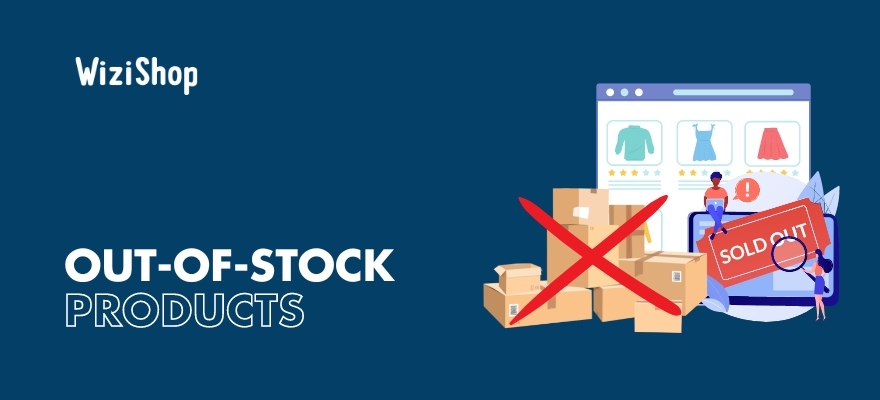
After experiencing a stockout, it is essential to implement a structured follow-up process to re-engage customers and restore their confidence in your brand. The actions taken during this phase can significantly impact customer satisfaction and loyalty. Effective communication and strategic measures should be employed to ensure a seamless transition back to normal operations.Follow-up communications serve multiple purposes, including informing customers of restocked items, expressing gratitude for their patience, and reinforcing the value of their loyalty.
These communications play a vital role in shaping the customer experience, as they signal attentiveness and a commitment to service.
Steps After Restocking
Upon restocking previously out-of-stock items, several key steps should be taken to maximize the effectiveness of the follow-up process:
1. Notify Customers
Send out notifications via email, SMS, or app alerts to customers who expressed interest in or previously purchased the out-of-stock items. This proactive approach ensures that they are informed as soon as the products are available again.
2. Promotional Offers
Consider offering exclusive discounts or promotions to customers who may have been affected by the stockout. Such gestures can enhance customer satisfaction and encourage immediate purchases.
3. Update Inventory Listing
Ensure that the online inventory is accurately updated to reflect the availability of restocked items. This reduces the likelihood of future misunderstandings regarding stock levels.
4. Encourage Feedback
Engage customers by encouraging them to share their experiences regarding the stockout and their satisfaction with the restocked products. Feedback can provide valuable insights into customer sentiment and areas for improvement.
Importance of Communication
Clear and consistent communication is crucial during the follow-up phase. It is essential to:
Acknowledge Customer Patience
Express appreciation for customers’ understanding during the period of unavailability. A simple thank-you message can go a long way in strengthening the relationship.
Provide Transparency
Inform customers about the reasons for the stockout and the measures taken to prevent future occurrences. Transparency builds trust and reassures customers that their concerns are being addressed.
Utilize Multiple Channels
Leverage various communication channels to reach customers effectively. This includes utilizing social media, newsletters, and direct messages to ensure maximum visibility of the restocked items.
Analyzing Customer Feedback
Post-stockout, analyzing customer feedback is vital for improving future inventory management and customer relations. Key methods for gathering and analyzing feedback include:
Surveys and Questionnaires
Create targeted surveys to gather insights about customers’ experiences during the stockout and their reactions to the restocked items. This data can help identify trends and areas needing improvement.
Social Media Monitoring
Keep track of customer comments and discussions across social media platforms. Monitoring sentiment in real-time allows for quick responses and demonstrates the company’s commitment to customer satisfaction.
Review Platforms
Encourage customers to leave reviews on platforms where your products are sold. Analyzing these reviews can provide a wealth of information regarding product performance and customer perceptions.
Effective post-stockout follow-up can significantly improve customer retention and foster brand loyalty.
Last Point
In conclusion, successfully navigating out-of-stock situations requires a proactive approach that prioritizes communication, empathy, and strategic planning. By implementing the discussed methods, businesses can not only address immediate stock challenges but also enhance customer loyalty and trust over time. Ultimately, how you handle these situations defines your brand and sets the stage for future success, ensuring that customers feel valued even in times of scarcity.