In today’s competitive eCommerce landscape, understanding how to calculate accurate and fair shipping rates is essential for businesses striving to enhance customer satisfaction and promote loyalty. Shipping costs can significantly impact purchasing decisions, making it imperative for companies to adopt transparent and reasonable pricing strategies. By delving into key factors influencing shipping rates, businesses can ensure they meet customer expectations while maintaining profitability.
This comprehensive overview will explore the various elements that dictate shipping costs, methods to accurately calculate them, and tools that can assist in achieving fair pricing. With insights into industry best practices and future trends, readers will gain valuable knowledge that can be applied to optimize their shipping strategies.
Importance of Accurate Shipping Rates

Accurate shipping rates are crucial for businesses that operate in a competitive marketplace. Miscalculating shipping costs can lead to significant financial losses or deter potential customers, undermining overall profitability and brand reputation. A transparent approach to shipping pricing not only enhances customer trust but also fosters long-term loyalty.Accurate shipping rates directly affect customer satisfaction and their purchasing decisions. When customers perceive shipping costs as fair and reflective of the service provided, they are more likely to complete their purchase.
Conversely, unexpected shipping fees can lead to cart abandonment, negatively impacting sales. The perception of fairness in shipping prices is influenced by several factors, including transparency, comparative market rates, and the delivery speed offered.
Factors Influencing Perception of Fairness in Shipping Prices
Several critical factors contribute to how customers perceive the fairness of shipping prices. Understanding these elements can help businesses set competitive rates that align with customer expectations while maintaining profitability.
1. Transparency in Pricing
Customers appreciate clarity regarding shipping costs. When businesses provide a breakdown of shipping fees, including factors such as weight, distance, and delivery method, customers are more inclined to view shipping costs as fair. Clear communication can alleviate concerns regarding hidden fees.
2. Market Comparisons
Customers frequently compare shipping rates across various vendors. Ensuring that shipping costs are competitive with similar businesses can significantly enhance the perception of fairness. Researching competitor rates provides a benchmark for setting your own rates.
3. Delivery Speed Options
Offering different shipping options, such as standard and expedited shipping, allows customers to select based on their urgency and budget. This flexibility can positively influence their perception, as customers feel empowered to choose the best option for their needs.
4. Flat Rate vs. Variable Pricing
While flat rate shipping can simplify the decision-making process for customers, variable pricing based on item weight and destination may be perceived as more equitable, particularly for larger or bulk orders. Businesses should analyze customer preferences to determine the most effective pricing structure.
5. Past Shipping Experiences
Customer perception is often shaped by their previous experiences with shipping. Positive experiences, such as timely arrivals and minimal damage, can enhance trust in a brand’s shipping practices. Conversely, negative experiences can lead to skepticism about pricing fairness.
6. Inclusion of Additional Services
Including services such as tracking, insurance, or guaranteed delivery dates may justify higher shipping costs in the eyes of customers. When customers see added value in shipping services, they often find the associated costs more acceptable.By carefully considering these factors, businesses can establish shipping rates that are not only accurate but also perceived as fair by their customers, ultimately driving higher satisfaction and increased sales.
Factors Influencing Shipping Rates
Shipping rates are determined by a combination of various factors that influence the overall cost of transporting goods. Understanding these factors is essential for businesses looking to optimize their shipping expenses while ensuring timely delivery. This section delves into the critical elements that contribute to shipping rates, providing clarity on how they can impact your logistics strategy.One of the primary factors influencing shipping rates is the weight and dimensions of the package.
Carriers typically use a pricing model that considers both the actual weight and the dimensional weight, which is calculated based on the size of the package. The greater of the two weights is used to determine the shipping cost. For example, a package weighing 10 pounds with dimensions of 12x12x12 inches may have a dimensional weight calculated at 12 pounds, thereby affecting the pricing structure.
Weight, Dimensions, and Distance
The weight and dimensions of a shipment play a significant role in the calculation of shipping rates. Carriers have specific methods for determining costs, which include the following:
- Actual Weight: This refers to the physical weight of the package. Carriers charge based on the actual weight for lighter shipments.
- Dimensional Weight: Carriers calculate this by using a formula that takes into account the volume of the package. For instance, the formula used by many carriers is:
Dimensional Weight = (Length x Width x Height) / DIM Factor
- Shipping Distance: The distance between the origin and destination is a critical factor. Longer distances generally incur higher shipping costs due to increased transportation expenses.
Different carriers adopt varied approaches to charge for shipping costs based on these factors. For instance, UPS and FedEx utilize dimensional weight to maximize shipping efficiency, often leading to higher costs for larger, lighter packages. In contrast, the United States Postal Service (USPS) has flat-rate options that can be more economical for specific shipments regardless of weight, provided they fit within specified size limits.
Shipping Zones and Their Impact on Pricing
Shipping zones are geographical areas that influence shipping rates based on the distance goods must travel. The concept of shipping zones allows carriers to standardize shipping costs across different regions. Each shipping carrier has its own set of zones, typically starting from the point of origin.The impact of shipping zones on pricing can be summarized as follows:
- Zone Definitions: Carriers divide their service areas into zones, with Zone 1 being the closest to the origin and subsequent zones representing further distances.
- Zone-Based Pricing: The further the destination falls into a higher zone, the more expensive the shipping rate tends to be. For example, shipping within the same city may be Zone 1, while shipping across the country could be Zone 8, resulting in significantly higher costs.
- Regional Variations: Shipping rates can vary depending on regional demand and logistics, with urban areas often experiencing lower rates while rural locations might incur additional surcharges.
Understanding these factors helps businesses accurately calculate shipping rates, allowing for better budgeting and pricing strategies. Adapting to these variables can lead to significant savings and improved customer satisfaction in the long run.
Methods to Calculate Shipping Rates
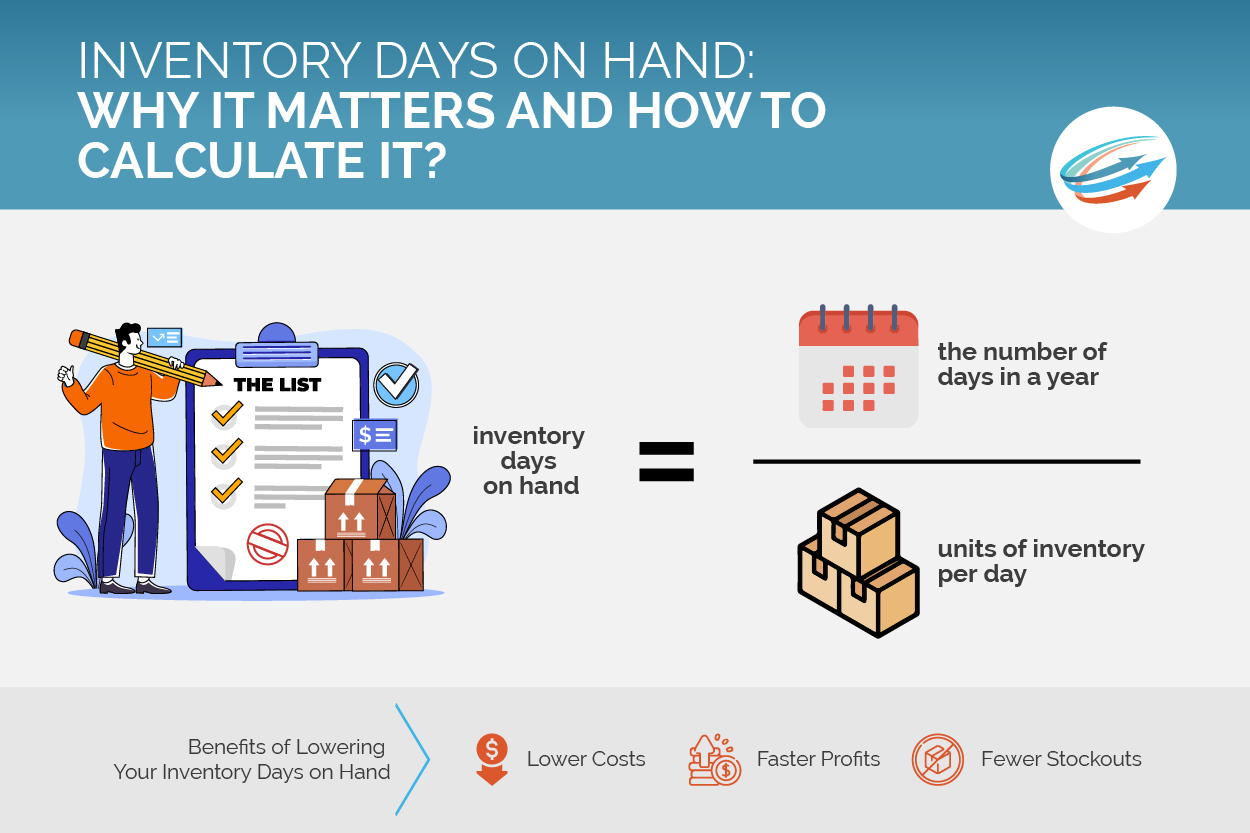
Calculating shipping rates accurately is essential for businesses looking to maintain competitive pricing while ensuring that costs are covered. Various shipping carriers employ different methods for determining rates, which can influence the overall shipping costs for customers. Understanding these methods can empower businesses to make informed decisions about which carrier to use and how to price their shipping services effectively.Common methods for calculating shipping rates include the following: the dimensional weight pricing, flat rate shipping, and real-time carrier rates.
Each method has its own advantages and is suited for different types of shipments.
Shipping Rate Calculation Methods
Shipping carriers utilize various techniques to determine shipping costs based on specific package details. Understanding these methods is crucial for businesses that need to calculate fair shipping rates.
Dimensional Weight Pricing
This method calculates shipping charges based on both the weight and dimensions of the package. Carriers use a formula where the dimensional weight (in pounds) is determined by the formula:
Dimensional Weight = (Length x Width x Height) / Dimensional Factor
The carrier will then compare the dimensional weight with the actual weight and charge based on the greater of the two.
Flat Rate Shipping
Flat rate shipping allows customers to pay a fixed price for shipping regardless of the package weight, as long as it fits within the size and weight limits set by the carrier. This method simplifies the shipping process and can often be more economical for heavier items.
Real-Time Carrier Rates
Carriers such as FedEx, UPS, and USPS provide online calculators that allow businesses to obtain real-time shipping rates based on the package details entered. Factors include weight, dimensions, destination, and shipping speed. This method ensures that businesses receive the most accurate pricing based on current carrier rates.To illustrate the differences between various carriers, consider the following comparison table based on a standard package weighing 5 lbs with dimensions of 12″x10″x5″, shipped from New York to Los Angeles.
| Carrier | Shipping Method | Estimated Rate |
|---|---|---|
| UPS | Ground | $12.50 |
| FedEx | Express Saver | $25.00 |
| USPS | Priority Mail | $15.00 |
Each carrier has unique pricing structures, and businesses should evaluate these options based on their specific shipping needs and customer expectations.
Manual Calculation of Shipping Costs
For small businesses or those without access to automated tools, calculating shipping costs manually can be a useful skill. Here is a step-by-step guide to assist in this process:
Determine Package Weight
Use a scale to measure the actual weight of the package. Be sure to include any wrapping or packaging materials.
Measure Package Dimensions
Use a measuring tape to determine the length, width, and height of the package. Round up to the nearest inch for accuracy.
Choose a Shipping Carrier
Select the carrier based on destination and service requirements (e.g., standard or express shipping).
Consult Rate Charts
Access the carrier’s rate chart or online calculator. Many carrier websites offer detailed shipping cost breakdowns based on weight, dimensions, and distance.
Calculate Dimensional Weight (if applicable)
Apply the dimensional weight formula if the carrier uses this pricing method. For example, if the dimensions are 12″x10″x5″, the dimensional weight would be:
Dimensional Weight = (12 x 10 x 5) / 166 = 3.61 lbs
Round up to the nearest whole number, which would be 4 lbs.
Combine Weight and Factor in Additional Charges
Compare the actual weight and dimensional weight to determine which is greater. Then, check for any additional charges such as residential delivery fees or fuel surcharges.
Final Shipping Cost
Once all factors are considered, sum the charges to arrive at the total shipping cost for the package.By mastering these methods, businesses can ensure they calculate accurate and fair shipping rates that align with customer expectations and operational costs.
Tools for Calculating Shipping Costs
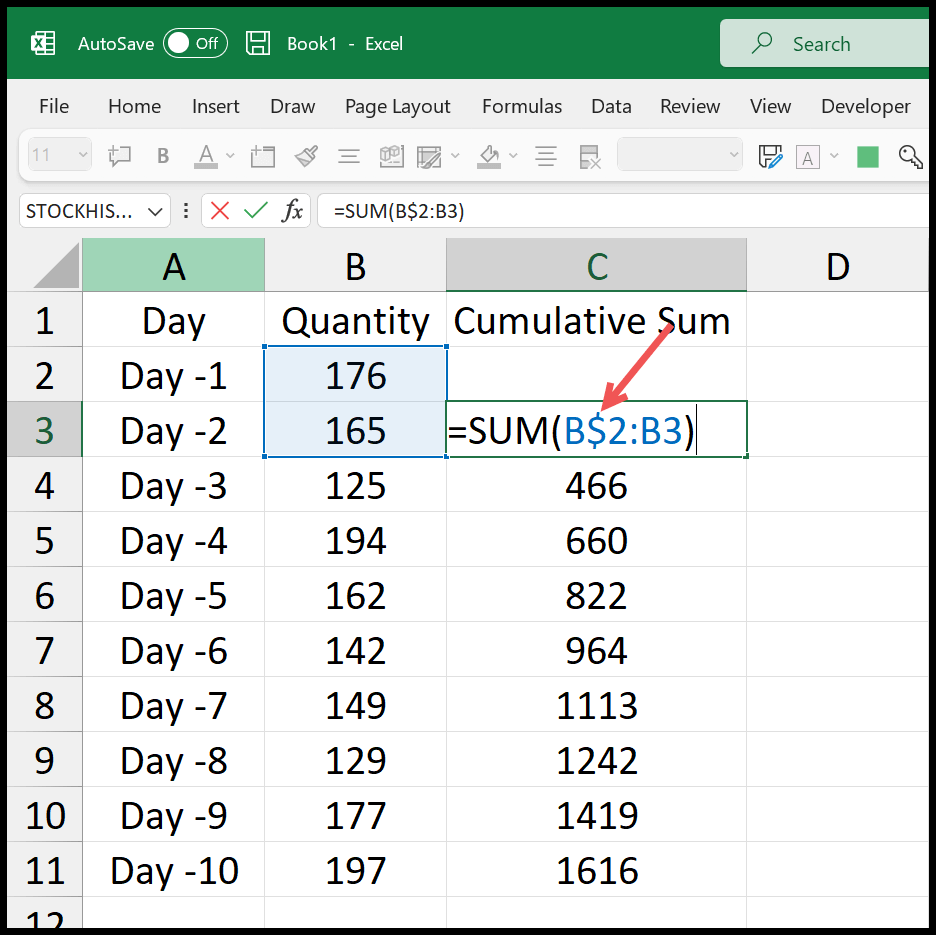
In the competitive landscape of eCommerce, accurate shipping cost calculation is essential for customer satisfaction and operational efficiency. Various online tools and software can streamline this process, enabling businesses to provide precise shipping rates that reflect real costs. Utilizing these technologies not only enhances the user experience but also effectively manages logistics.
Popular Online Tools and Software for Calculating Shipping Rates
There are numerous online tools and software solutions available that can help businesses calculate shipping rates accurately. These tools take into account various parameters such as weight, dimensions, destination, and shipping service type. Some widely recognized options include:
- ShipStation: A comprehensive shipping software that integrates with multiple eCommerce platforms and calculates real-time shipping rates from various carriers. It provides features like batch processing and label printing.
- Easyship: This platform offers automatic shipping rate calculations based on the specific characteristics of a shipment. It also provides customs documentation, which is crucial for international shipping.
- ShippingEasy: Designed for small to medium-sized businesses, ShippingEasy calculates shipping rates based on actual carrier prices and can assist in managing inventory and orders.
- UPS WorldShip: A desktop application that allows businesses to manage shipping operations and calculate rates based on UPS’s pricing algorithms, enabling a tailored shipping experience.
- FedEx Ship Manager: This platform enables users to calculate shipping costs using FedEx’s pricing data, offering detailed options for various shipping methods.
Integration of Shipping Calculators into eCommerce Platforms
Integrating shipping calculators into eCommerce platforms is a crucial step for providing transparent pricing to customers. Most shipping calculators can be integrated through plugins or APIs, which are compatible with popular eCommerce solutions like Shopify, WooCommerce, and Magento. The integration process typically involves the following steps:
- Choosing the appropriate shipping calculator based on business needs and platform compatibility.
- Installing the plugin or using the API key provided by the shipping tool to connect with the eCommerce platform.
- Configuring settings to include shipping zones, rates, and any additional charges that may apply.
- Testing the integration to ensure that shipping rates are calculated accurately during the checkout process.
By ensuring a seamless integration, businesses can enhance customer trust and reduce cart abandonment due to unexpected shipping costs.
Benefits of Using Automated Shipping Solutions for Accurate Pricing
Automated shipping solutions improve pricing accuracy and operational efficiency, significantly benefiting eCommerce businesses. These solutions utilize real-time data and advanced algorithms to calculate shipping costs based on various factors such as carrier rates, geographical location, and shipment specifications.Key benefits of using automated shipping solutions include:
- Time Efficiency: Automation reduces the time spent on manual calculations, allowing staff to focus on other critical aspects of business operations.
- Cost Control: By using real-time data, businesses can avoid underpricing or overpricing shipping, thus optimizing profitability.
- Enhanced Customer Experience: Providing accurate shipping rates at checkout ensures transparency, enhancing customer satisfaction and loyalty.
- Scalability: Automated solutions can easily handle increased order volumes, making them ideal for growing businesses.
- Data Analytics: Automated shipping tools often provide insights and analytics, helping businesses track shipping performance and costs over time.
Utilizing these tools not only simplifies the shipping process but also empowers businesses to make informed decisions, ensuring that customers receive fair and accurate shipping rates.
Strategies for Fair Shipping Pricing
Establishing fair shipping pricing strategies is essential for creating a positive customer experience while also maintaining business sustainability. These strategies can significantly influence customer satisfaction, loyalty, and ultimately the profitability of a business. By understanding various methods to calculate shipping costs and the factors influencing them, businesses can implement effective pricing strategies that benefit both the company and its customers.A delicate balance must be struck between covering shipping costs and delivering value to customers.
Below are some strategies that businesses can adopt to ensure fair shipping pricing:
Methods for Achieving Fair Shipping Pricing
To develop fair shipping pricing, businesses should consider the following strategies:
- Transparent Pricing: Clearly communicate shipping costs upfront to avoid surprises at checkout. This builds trust and sets realistic expectations.
- Tiered Shipping Rates: Offer different shipping options with varying costs and delivery times. This allows customers to choose the service that fits their budget and urgency.
- Volume Discounts: Implement pricing models where shipping costs decrease based on order size. This incentive can encourage larger purchases, benefiting both customers and the business.
- Local Delivery Options: For businesses with a local customer base, providing cost-effective local delivery can enhance customer satisfaction and reduce shipping expenses.
- Negotiated Rates with Carriers: Build relationships with shipping carriers to negotiate better rates based on shipping volume, which can then be passed on to customers.
- Subscription Models: Consider offering subscription services that include shipping fees, allowing for predictable revenue while providing customers with perceived value.
The implementation of these strategies can help businesses effectively balance shipping costs with customer satisfaction, ensuring that customers feel they are receiving fair treatment.
Free Shipping Models and Business Viability
Offering free shipping can significantly enhance customer satisfaction and drive sales. However, it is crucial to maintain business viability while doing so.
Free shipping is often perceived by customers as a significant value-add, leading to higher conversion rates and increased order values.
To sustain free shipping without compromising profitability, businesses can consider the following approaches:
- Minimum Purchase Threshold: Set a minimum order value for free shipping. This encourages customers to increase their cart size, compensating for shipping costs.
- Incorporate Shipping Costs into Product Prices: Adjust product prices slightly to cover shipping costs without a separate shipping charge, maintaining the perception of free shipping.
- Promotional Free Shipping: Offer free shipping during promotional events or holidays to boost sales while keeping shipping costs manageable.
- Utilize Shipping Partnerships: Partner with logistics providers that offer discounted rates for bulk shipping, reducing overall costs when offering free shipping.
By implementing these strategies, businesses can not only offer free shipping but also ensure their operations remain profitable and sustainable in the long run.
Importance of Transparency in Shipping Costs
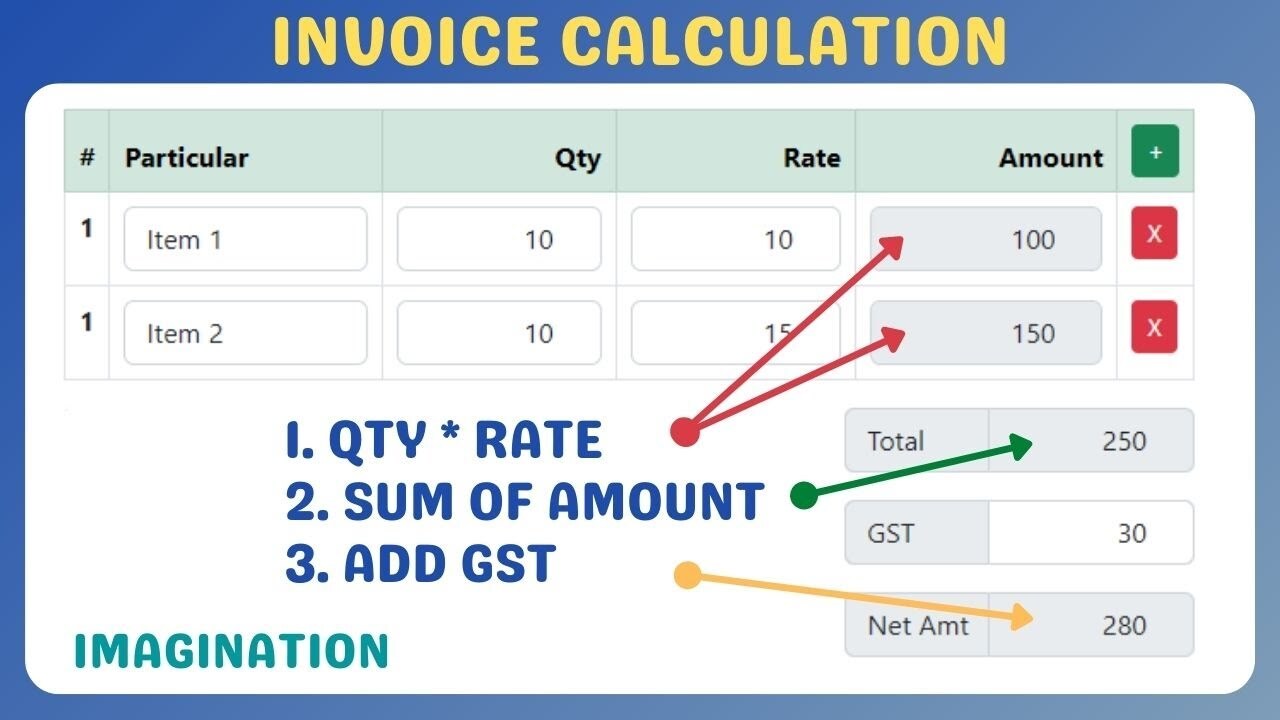
Transparency in shipping costs is essential for building trust and credibility between eCommerce businesses and their customers. When customers are made aware of all associated shipping fees upfront, it minimizes the risk of cart abandonment and enhances overall customer satisfaction. Clear communication regarding shipping rates fosters a positive shopping experience and encourages repeat business.The significance of transparent shipping costs lies in its ability to eliminate hidden charges that often lead to customer frustration.
Customers prefer to know what they are paying for, and when this information is readily available, they are more likely to complete their purchases. Various best practices can be implemented to ensure clear communication of shipping costs on an eCommerce website.
Best Practices for Displaying Shipping Costs
Implementing effective strategies for displaying shipping costs is crucial for clarity and customer trust. Below are key practices to consider:
- Display Shipping Rates Early: Showcase shipping costs on the product page or during the checkout process to ensure customers are aware of the total cost before finalizing their purchase.
- Use a Shipping Calculator: Provide an interactive shipping calculator that allows customers to input their location and view estimated shipping costs in real-time.
- Clearly Artikel Additional Fees: If there are surcharges for specific services, such as expedited shipping or handling fees, these should be clearly indicated alongside shipping options.
- Utilize a Transparent Pricing Model: Adopt a pricing model that includes shipping costs in the product price if feasible. This can simplify the checkout process and reduce surprises for customers.
- Provide Clear Shipping Policies: Make shipping policies easily accessible on the website. This should include information on delivery times, carriers used, and any conditions that apply to shipping fees.
Effective communication of additional fees or surcharges is also vital in maintaining transparency. Providing detailed explanations can help customers understand why certain charges are applied.
“Clear communication regarding shipping rates fosters a positive shopping experience and encourages repeat business.”
Examples of clear communication practices include:
- Itemized Breakdown of Costs: Present a detailed breakdown during checkout that lists each fee clearly, such as base shipping cost, handling fees, and taxes.
- Visual Cues: Use icons or color coding to highlight shipping cost information, ensuring it captures the customer’s attention without being intrusive.
- Notification of Changes: Implement a notification system that alerts customers if there are any changes to shipping costs due to promotions or distance from the shipping center.
By adhering to these practices, businesses can significantly enhance transparency in shipping costs, leading to a more trustworthy and satisfying customer experience.
Case Studies of Shipping Rate Calculations
In the realm of e-commerce and logistics, the implementation of fair and accurate shipping rates is a critical factor for business success. Various companies across different industries have implemented effective strategies to optimize their shipping calculations, leading to increased customer satisfaction and operational efficiency. This segment delves into several case studies that illustrate successful shipping rate strategies and the valuable lessons learned in the process.One notable case study is that of an online retail giant, Amazon, which has continuously refined its shipping rate calculations.
Amazon utilizes advanced algorithms that consider multiple factors, such as weight, dimensions, destination, and delivery speed. By leveraging data analytics, they have been able to offer competitive rates while maintaining transparency. This approach not only improves customer trust but also enhances operational efficiency.
Case Study Comparisons Across Industries
To understand the diverse strategies employed by different companies, the following table presents a comparison of shipping rate strategies across several businesses:
| Company | Industry | Shipping Rate Strategy | Lessons Learned |
|---|---|---|---|
| Amazon | E-commerce | Dynamic pricing based on real-time data | Utilizing data analytics increases competitiveness |
| Walmart | Retail | Flat rate for local deliveries | Simplicity enhances customer satisfaction |
| FedEx | Logistics | Tiered pricing based on service level | Offering various options caters to diverse needs |
| Shopify | E-commerce platform | Integration of multiple carrier rates | Comparison tools help customers find the best rates |
| Zalando | Fashion | Free shipping on orders over a certain amount | Encouraging larger purchases can offset shipping costs |
Through the analysis of these case studies, several key insights emerge. First, the importance of adopting a flexible and data-driven approach to shipping rates cannot be overstated. Companies that utilize technology to analyze shipping parameters tend to offer more competitive pricing. Additionally, strategies that enhance transparency and clarity in shipping costs contribute significantly to customer loyalty. Overall, these case studies provide valuable lessons about adapting shipping strategies to meet consumer expectations while maintaining profitability.
It is evident that successful shipping rate calculations are not only about minimizing costs but also about creating a seamless experience for customers.
Future Trends in Shipping Rate Calculations

With the rapid evolution of eCommerce and logistics, the methods and practices surrounding shipping rate calculations are undergoing significant transformations. As businesses strive for efficiency and customer satisfaction, various emerging trends and technologies are shaping the future landscape of shipping costs. Understanding these trends is essential for businesses aiming to remain competitive and responsive to market demands.The integration of advanced technologies is expected to revolutionize how shipping rates are calculated.
Innovations such as artificial intelligence (AI), machine learning, and big data analytics are leading to more precise and dynamic pricing models that take into account a multitude of factors in real-time. These technologies can analyze historical shipping data, assess current market conditions, and optimize routes, leading to a more accurate reflection of shipping costs.
Impact of Sustainability on Shipping Costs
As environmental concerns continue to rise, the demand for sustainable and eco-friendly shipping options is becoming increasingly prevalent. Companies are now recognizing that adopting greener practices is not only crucial for the planet but can also influence shipping rates. Sustainable shipping methods, such as using electric vehicles or optimizing routes to reduce fuel consumption, may initially incur higher costs. However, over time, these practices can lead to significant savings and competitive advantages.The influence of sustainability on shipping costs can be observed through the following factors:
- Investment in green technologies and practices is rising, potentially increasing initial shipping rates.
- As regulations around carbon emissions become stricter, costs related to compliance may also affect shipping prices.
- Shippers adopting sustainable practices may attract environmentally conscious consumers, allowing them to command premium pricing.
- The development of carbon offset programs can provide businesses with alternative pricing strategies that align with sustainability goals.
Predictions for the Evolution of Shipping Costs in eCommerce
Looking ahead, several predictions can be made regarding the trajectory of shipping costs in the eCommerce sector. These forecasts take into account advancements in technology, shifts in consumer behaviors, and the growing importance of sustainability.Here are notable predictions for the future of shipping costs:
- Increased automation in warehousing and logistics will streamline operations, leading to reduced shipping rates over time.
- Dynamic pricing models will become mainstream, allowing businesses to adjust shipping costs based on real-time data and consumer demand.
- More retailers will implement sustainable shipping options, resulting in a mixed pricing structure that offers both eco-friendly and traditional methods.
- Smart logistics solutions will emerge, utilizing IoT devices to enhance tracking and management, ultimately lowering costs through improved efficiencies.
- The use of blockchain technology will enhance transparency and trust in shipping transactions, potentially stabilizing costs through more reliable pricing mechanisms.
The future of shipping costs will be defined by a harmonious balance of technology, sustainability, and consumer expectations.
Ending Remarks
As we conclude our discussion on how to calculate accurate and fair shipping rates, it is clear that a well-structured shipping pricing strategy not only boosts customer satisfaction but also fosters business viability. Implementing transparent practices, using effective tools, and adapting to emerging trends are crucial for success in the ever-evolving eCommerce environment. By prioritizing fair shipping pricing, businesses can cultivate trust and encourage repeat purchases, ultimately leading to sustainable growth.