How to Bundle Products to Increase Average Order Value stands as a pivotal strategy in today’s competitive retail landscape. By understanding the nuances of product bundling, businesses can create compelling offers that not only attract customers but also encourage higher spending. This technique taps into the psychology of consumer behavior, making it essential for retailers seeking to enhance their sales tactics.
Product bundling involves grouping related items together, providing advantages both for sellers aiming to boost their average order values and for customers seeking greater value in their purchases. From pure to mixed bundling strategies, the approach offers various methods to effectively package products, thus creating a win-win situation for both businesses and consumers alike.
Understanding Product Bundling
Product bundling is a marketing strategy that involves grouping together multiple products or services and selling them as a single package. This approach is increasingly relevant in sales strategies as it not only enhances customer satisfaction by presenting a complete solution but also aims to increase the average order value (AOV) for businesses. By understanding the dynamics and implications of product bundling, companies can effectively leverage it to boost sales performance and offer greater value to their customers.
The concept of product bundling is rooted in various psychological principles that influence customer purchasing behavior. One key principle is the notion of perceived value; when consumers see multiple products offered together at a discounted price compared to purchasing them separately, they are more likely to view the bundle as a better deal. Additionally, bundling can reduce decision fatigue, as customers face fewer choices when considering a package deal rather than individual items.
By understanding these psychological factors, businesses can tailor their bundling strategies to create compelling offers that resonate with their target audience.
Types of Product Bundles
There are several types of product bundles, each serving different strategic purposes in marketing and sales. Understanding these varieties allows businesses to select the most effective bundling approach for their offerings. The primary types include:
- Pure Bundling: In this approach, products are only available as part of a bundle and cannot be purchased individually. This strategy is commonly used for subscription services, where customers must opt for a package to access any of the included products.
- Mixed Bundling: This strategy allows customers the option to purchase products either as part of a bundle or individually. Mixed bundling provides flexibility and caters to different customer preferences, encouraging higher sales overall.
- Service Bundling: This type focuses on grouping together services rather than physical products. For example, telecommunications companies often bundle internet, phone, and television services, providing customers with a comprehensive solution at a competitive price.
- Discount Bundling: In this method, products are sold together at a reduced price compared to buying each item separately. This strategy not only incentivizes purchases but also helps clear inventory.
Each type of bundling has its own advantages and can be effectively utilized depending on the business model and target customer segment. Employing these bundling strategies can significantly enhance customer satisfaction, loyalty, and overall sales performance.
Benefits of Bundling Products
Product bundling is an effective strategy employed by businesses to enhance customer experience while simultaneously increasing their average order value (AOV). This tactic encourages customers to purchase more items by offering them as a cohesive package, which can lead to greater savings and satisfaction. Bundling not only streamlines the purchasing process but also presents unique advantages that can significantly impact a company’s financial performance.Bundling products can lead to a notable increase in average order value, allowing businesses to maximize their revenue potential.
When customers perceive they are receiving a better deal through bundled offers, they are more likely to add additional items to their cart. Notably, a study conducted by T. J. Watson Research Center found that bundling can increase sales by as much as 20% in certain retail sectors. Furthermore, companies like McDonald’s have successfully implemented bundling strategies, known as value meals, which have become instrumental in boosting their revenue.
Positive Impact on Customer Perception
Bundling not only enhances the average order value but also positively influences customer perception and loyalty. When products are bundled effectively, customers often feel they are obtaining greater value for their money. This value perception can lead to repeat purchases and a strengthened brand relationship. The following points illustrate the benefits of product bundling:
- Perceived Savings: Customers are more inclined to purchase bundles because they believe they are receiving a discount compared to buying items individually. A study by Marketing Science found that perceived savings can drive up to a 30% increase in purchase likelihood.
- Simplified Purchasing Decisions: Bundles reduce the complexity of choice, making it easier for customers to decide. This can lead to faster purchase decisions and reduce cart abandonment rates.
- Cross-Selling Opportunities: Bundling encourages customers to try new products that they may not have considered before, expanding their experience with the brand and increasing the chance of future purchases.
Comparison with Traditional Pricing Strategies
In traditional pricing strategies, businesses often rely on straightforward price reductions or promotions to entice consumers. While these methods can be effective, they do not always create the same level of perceived value as bundling. The effectiveness of product bundling can be compared with these traditional pricing strategies in several ways:
- Value Creation: Bundling creates a compelling value proposition that traditional pricing strategies may lack. Customers are more likely to feel they are receiving a deal when purchasing a bundle than simply a discount on individual items.
- Increased Sales Volume: Bundling can lead to higher volumes of sales by creating packages that appeal to various customer segments, whereas traditional pricing might only attract price-sensitive customers.
- Enhanced Customer Engagement: Bundling fosters a deeper connection with customers as it encourages exploration of a wider range of products. This engagement can drive brand loyalty, which is often less pronounced with traditional pricing strategies.
Research indicates that businesses employing product bundling strategies can see a significant uptick in customer loyalty and repeat purchases, reinforcing the value of this approach.
Designing Effective Product Bundles
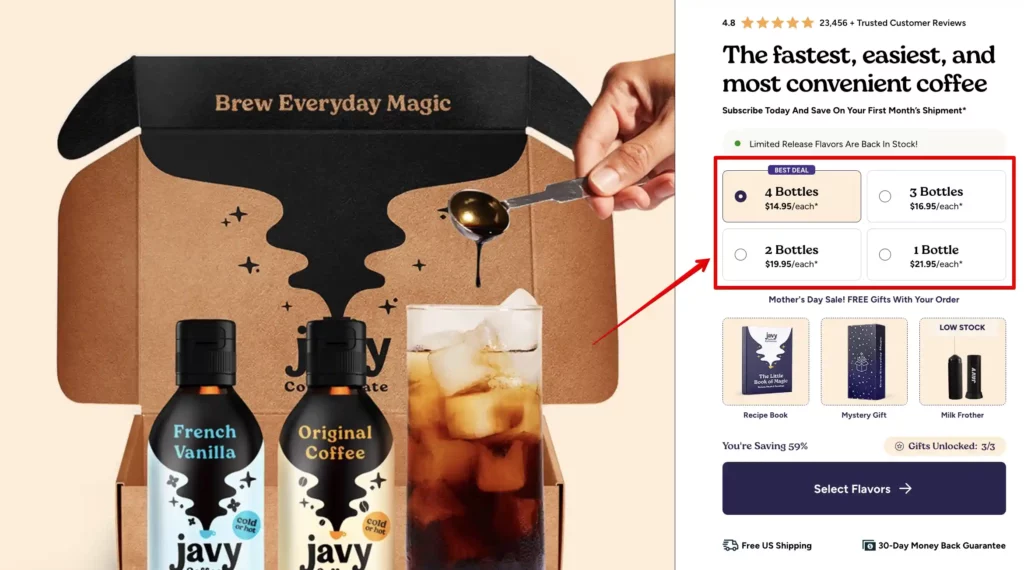
Creating effective product bundles involves a strategic approach that enhances customer experience while driving sales. The right bundles not only increase the average order value but also provide customers with perceived savings, convenience, and a tailored shopping experience. Understanding the components of an effective product bundle is essential for maximizing both customer satisfaction and profitability.
Selecting Complementary Products for Bundles
Choosing the right products to include in a bundle is critical. Complementary products enhance the value of each other, leading to an improved customer experience. Here are some guidelines for selecting products that work well together:
Compatibility
Ensure that the products serve a similar purpose or can be used together. For example, a digital camera bundle might include a camera, memory card, and camera bag.
Price Alignment
Select products that are aligned in price to create a balanced bundle. This fosters a sense of value for customers. For instance, bundling a high-end skincare cream with a serum at a similar price point maintains consistency.
Target Market Preferences
Analyze customer preferences and trends to select products that appeal to your target demographic. A fitness bundle might include a yoga mat, resistance bands, and a water bottle.
Seasonal Relevance
Tailor bundles to fit seasonal trends or holidays, such as offering a grilling set in summer that includes barbecue tools and marinades.
Strategies for Pricing Bundles Effectively
Pricing strategies play a vital role in the success of product bundles. An effective pricing strategy should create value for the customer while ensuring profitability for the business. Consider the following strategies:
Value Discounting
Offer a discount on the total price of the individual products when purchased as a bundle. For example, if individual items total $100, pricing the bundle at $85 presents a compelling reason to buy.
Tiered Pricing Models
Introduce tiered pricing based on the quantity purchased. For instance, a bundle of three items might have a greater discount compared to purchasing one or two items.
Psychological Pricing
Use pricing strategies that appeal to customers’ emotions, such as setting the price at $49.99 instead of $50. This subtle difference can significantly impact consumer perception.
Trial Pricing
For new bundles, consider offering introductory pricing to encourage initial purchases and gather customer feedback.
Popular Product Combinations in Various Industries
Identifying successful product combinations can guide retailers in creating attractive bundles. Below is a list of popular product bundles across different industries that have shown proven success:
Beauty Industry
Skincare regimens often include a cleanser, toner, and moisturizer, promoting a complete routine.
Electronics
Tech products commonly bundled include a laptop with a protective case, mouse, and software subscription.
Home & Garden
Gardening kits featuring tools, seeds, and gloves offer everything needed for beginners.
Food & Beverage
Gourmet food baskets that combine cheese, crackers, and a bottle of wine cater to entertaining needs.
Fitness
Workout gear bundles might include fitness apparel, a water bottle, and a gym bag, targeting fitness enthusiasts.Each of these combinations enhances the customer experience by fulfilling more comprehensive needs and providing value, encouraging higher purchase rates.
Marketing Strategies for Bundles
Effectively promoting product bundles is essential to maximizing their appeal and enhancing sales. A well-executed marketing strategy can significantly increase awareness of product bundles, driving consumer interest and ultimately elevating the average order value. Utilizing various marketing channels and tailoring campaigns to fit the target audience is crucial for success.
One effective approach to promoting product bundles is through a combination of digital marketing strategies that leverage multiple channels to reach a broader audience. Tactics such as email marketing, search engine optimization (), and online advertising can be employed to highlight the value of the bundles. Furthermore, emphasizing the savings associated with purchasing bundled products often resonates well with consumers.
Utilization of Social Media for Bundle Promotion
Social media platforms serve as powerful tools for increasing visibility and engagement for product bundles. By creating engaging content and utilizing targeted advertising, businesses can effectively showcase their bundled offerings to relevant audiences. The following strategies can enhance social media promotion of product bundles:
Visual Content Creation
High-quality images and videos that showcase the bundled products can attract potential customers. For instance, a lifestyle image demonstrating how the products can be used together enhances relatability and practicality.
Influencer Collaborations
Partnering with influencers who align with the brand can expose the product bundles to a wider audience. Influencers can demonstrate the use of bundles in their content, thereby creating authentic endorsements.
Interactive Campaigns
Engaging followers with polls, contests, or giveaways that involve the bundled products can generate excitement and increase visibility. For example, a contest where participants must share their favorite way to use the products can foster community engagement.
Hashtags and Trends
Creating a unique hashtag for the product bundle and encouraging customers to use it can help track engagement and create a sense of community around the product. Engaging with trending topics can further amplify reach.
Examples of Successful Promotional Campaigns
Numerous brands have effectively utilized product bundling in their promotional campaigns. Notable examples include:
McDonald’s Meal Deals
The fast-food giant has long capitalized on bundling by offering meal deals that combine popular menu items at a discounted price. This strategy not only increases the average order value but also simplifies the purchasing decision for consumers.
Adobe Creative Cloud Bundles
Adobe successfully offers bundled subscriptions for its software products, encouraging users to adopt multiple tools at a reduced cost. This strategy has led to increased customer retention and satisfaction.
Amazon’s Prime Day Bundles
During Prime Day, Amazon often features exclusive deals on bundled products, enticing customers to purchase multiple items at once. This campaign consistently drives significant sales growth, showcasing the effectiveness of strategic bundling.
Through these marketing strategies, businesses can effectively promote their product bundles, ultimately leading to increased sales and enhanced customer satisfaction.
Analyzing Customer Feedback on Bundles
Understanding customer feedback is crucial for refining product bundles to meet consumer needs effectively. By evaluating customer responses, businesses can identify strengths and weaknesses within their bundle offerings, enhancing overall customer satisfaction and maximizing sales potential. This section discusses various methods for gathering feedback, interpreting that feedback for improvements, and recognizing common customer preferences and objections related to bundled purchases.
Methods for Gathering Customer Feedback on Bundled Products
Implementing effective strategies for collecting customer feedback can significantly inform the development of product bundles. Businesses can utilize several methods to garner valuable insights, including:
- Surveys and Questionnaires: Distributing surveys to customers post-purchase can yield direct insights into their experiences with bundled products. Tailoring questions to focus on satisfaction, perceived value, and suggestions for improvement is essential.
- In-Store Feedback Stations: For brick-and-mortar stores, setting up feedback stations where customers can leave comments about bundled products can facilitate immediate and candid feedback.
- Online Reviews and Ratings: Encouraging customers to leave reviews on e-commerce platforms provides a public forum for feedback, allowing businesses to gauge customer sentiment toward specific bundles.
- Focus Groups: Organizing focus group discussions can provide in-depth qualitative feedback, helping businesses understand customer motivations and preferences in a collaborative setting.
- Social Media Engagement: Monitoring comments and direct messages on social media platforms can offer real-time insights into customer opinions and experiences with product bundles.
Interpreting Feedback to Improve Bundle Offerings
Once feedback is gathered, interpreting it effectively is crucial to enhancing bundle offerings. Analyzing customer responses can uncover trends and areas for improvement. When interpreting feedback, businesses should focus on:
- Identifying Patterns: Look for recurring themes in customer responses, such as frequent mentions of specific products or features that are particularly appealing or unappealing.
- Assessing Satisfaction Levels: Evaluate overall satisfaction ratings to determine if customers feel their needs are being met through existing bundles.
- Prioritizing Feedback: Categorize feedback into actionable and non-actionable items. Focus on suggestions that can feasibly be implemented to improve product bundles.
- Benchmarking Against Competitors: Compare customer feedback on bundles with industry standards and competitors to assess relative performance and identify areas where offerings may fall short.
Common Customer Preferences and Objections Related to Bundled Purchases
Understanding customer preferences and objections can guide businesses in their bundle design and marketing strategies. Common themes include:
- Value for Money: Customers often seek bundles that offer better value than purchasing items separately. Highlighting savings can address this preference effectively.
- Convenience: Bundles that combine complementary products provide convenience and enhance the shopping experience, making them more appealing to consumers.
- Quality Concerns: Some customers may hesitate to purchase bundles if they perceive a compromise in quality. Addressing quality assurance in marketing materials can alleviate this objection.
- Limited Customization Options: Customers may prefer bundles that allow for personalization. Offering customizable bundles can cater to this desire for individualized options.
- Complexity and Overwhelm: Bundles that are too complex or contain too many products can confuse customers. Simplifying bundle offerings can enhance customer engagement.
Tools and Platforms for Bundling
In the rapidly evolving landscape of eCommerce, utilizing the right tools and platforms for product bundling can significantly enhance the effectiveness of your sales strategy. Several software solutions have emerged that facilitate the creation and management of product bundles, allowing businesses to increase their average order value while providing customers with better purchasing experiences. When evaluating tools for product bundling, it is essential to consider the specific features they offer, as well as their ease of integration into existing eCommerce systems.
Below, we delve into some notable platforms and their key functionalities.
Software and E-commerce Platforms
A variety of software solutions and e-commerce platforms are available that cater specifically to product bundling. The following list highlights some of the most popular tools:
- Shopify: Shopify provides built-in functionality for creating product bundles through various apps available in its marketplace. Features include customizable bundle options, discounts applied at checkout, and analytics to track bundle performance.
- WooCommerce: As a WordPress plugin, WooCommerce offers several extensions for bundling products. It supports dynamic pricing, inventory management, and the ability to create complex bundles with multiple product types.
- BigCommerce: BigCommerce includes features that allow merchants to create bundles easily. The platform supports multi-channel selling and provides insights into bundle performance through its analytics tools.
- Magento: Magento offers advanced features for product bundling, including custom pricing rules, customer segmentation, and promotional campaigns tailored to specific bundles.
- Zipify Pages: This tool is particularly useful for creating high-converting landing pages for product bundles. It includes features that optimize the customer journey and enhance upselling opportunities.
Each of these platforms has unique strengths and capabilities, making them suitable for different business needs and sizes.
Comparison of Features
When selecting bundling tools, it is important to compare their features to ensure they align with your business objectives. Below is a comparative overview of significant functionalities across the aforementioned platforms.
| Feature | Shopify | WooCommerce | BigCommerce | Magento | Zipify Pages |
|---|---|---|---|---|---|
| Customizable Bundles | Yes | Yes | Yes | Yes | No |
| Analytics Tools | Basic | Advanced (with extensions) | Advanced | Comprehensive | Basic |
| Dynamic Pricing | Yes (via apps) | Yes (via extensions) | Yes | Yes | No |
| Multi-channel Selling | Yes | No | Yes | Yes | No |
| Promotional Campaigns | Yes (via apps) | Yes (with applicable plugins) | Yes | Yes | Yes |
This comparison illustrates that while all platforms provide essential bundling features, businesses should select a platform that best fits their operational requirements and customer engagement strategies.
Integration with Existing E-commerce Systems
Integrating product bundling into existing eCommerce systems is crucial for a seamless customer experience. Companies can achieve effective integration by following these best practices:
- Ensure Compatibility: Verify that the chosen bundling tool is compatible with your current eCommerce platform and does not disrupt existing functionalities.
- Utilize APIs: Many bundling platforms offer APIs that facilitate easy integration. Leveraging these can streamline the addition of bundling functionalities.
- Train Staff: Providing adequate training for staff about new bundling features can enhance their usage and ensure they maximize the benefits of the tools.
- Test Bundles: Before launching bundles to customers, conduct A/B testing to assess their effectiveness and make necessary adjustments based on feedback.
- Monitor Performance: Use analytics tools to track the success of product bundles post-integration and refine strategies based on data insights.
By taking these steps, businesses can ensure that product bundling is not only effectively implemented but also drives increased sales and improved customer satisfaction.
Real-Life Examples of Successful Bundling
![5 Top Tips to Increase your Average Order Value [ Infographic ] -](https://fixaja.web.id/wp-content/uploads/2025/09/aov2-new.png "5 Top Tips to Increase your Average Order Value [ Infographic ] -")
In the competitive landscape of retail and e-commerce, many businesses have turned to product bundling as an effective strategy to enhance their average order value. Successful examples illustrate the diverse ways bundling can be applied across various industries, demonstrating its effectiveness in driving sales and improving customer satisfaction.A clear understanding of how bundling has been utilized can inspire other businesses to adopt similar strategies.
The following case studies showcase businesses that have successfully implemented product bundling and the outcomes they achieved.
Case Studies of Successful Bundling
The following case studies highlight how specific companies have leveraged bundling strategies to achieve measurable success in increasing average order value:
| Company | Bundle Offering | Results Achieved |
|---|---|---|
| McDonald’s | Value Meal Combos (burger, fries, drink) | Increased average transaction value by 30% compared to individual item purchases. |
| Amazon | Amazon Prime Membership (includes free shipping, streaming) | Boosted sales of bundled products by 20%, as members frequently purchase additional items. |
| Adobe | Creative Cloud Subscription (various software tools) | Increased subscription sign-ups by 40% through bundled pricing compared to individual software purchases. |
| Dell | Computer Packages (laptop, printer, software) | Enhanced average order value by 25% through strategic product bundling. |
| Costco | Bulk Food Bundles (multiple food items at a discount) | Improved customer retention and increased purchase frequency by 35% with bundled pricing options. |
These examples show a variety of bundling applications across different sectors, reinforcing that product bundling can significantly enhance customer experience while concurrently boosting a company’s financial performance. The strategies employed by these businesses can serve as a guiding framework for others looking to explore or optimize their bundling approaches.
Final Thoughts
In conclusion, the practice of bundling products is not merely a sales tactic but a strategic approach that can significantly enhance average order values. By thoughtfully selecting products, implementing effective marketing strategies, and analyzing customer feedback, businesses can tailor their offerings to meet the evolving needs of their clientele. Embracing these practices ensures that companies are well-positioned for sustained growth and customer satisfaction in the marketplace.