How to Budget for Your First Online Store Launch is a critical consideration for aspiring entrepreneurs eager to venture into the world of e-commerce. Launching an online store can be an exhilarating journey, filled with opportunities and challenges alike. A well-considered budget not only sets the foundation for your business but also equips you with the financial foresight to navigate unexpected situations, ensuring your store’s success from the outset.
This guide delves into the essential aspects of budgeting for your online store, highlighting the importance of understanding startup costs, marketing expenditures, and ongoing operational expenses. By carefully analyzing these elements and avoiding common pitfalls, you will be better prepared to allocate resources efficiently and sustainably.
Understanding the Basics of Budgeting for an Online Store

Creating a budget prior to launching an online store is a fundamental step that can significantly influence the long-term success of your business. A well-structured budget not only serves as a roadmap for your initial expenditures but also helps you anticipate ongoing costs and revenue projections, which are crucial for maintaining financial health.The key components that should be included in a budget for a new online store encompass a variety of expenses and potential income streams.
Understanding these elements can help you allocate resources efficiently and avoid unexpected financial pitfalls.
Key Components of a Budget for an Online Store
A comprehensive budget should reflect all necessary costs associated with launching and maintaining an online store. The primary categories to consider include:
- Startup Costs: These are one-time expenses that occur before your store is operational. They may include website design, domain registration, and initial inventory purchases.
- Operating Expenses: Ongoing costs such as hosting fees, software subscriptions, payment processing fees, and marketing expenses need to be accounted for to ensure smooth operations.
- Inventory Costs: Consider how much capital you need to invest in your inventory, including the cost of goods sold, shipping, and storage.
- Marketing and Advertising: Budget for promotional activities to drive traffic to your store, including social media campaigns, search engine marketing, and email marketing strategies.
- Customer Service: Allocate funds for tools and personnel that will manage customer inquiries, returns, and overall service quality.
- Miscellaneous Expenses: It’s essential to include a buffer for unforeseen costs that may arise, such as emergency repairs or unexpected fees.
Common Mistakes to Avoid When Budgeting for an Online Store Launch
There are several pitfalls that entrepreneurs often encounter when budgeting for their online store launch. Awareness of these common mistakes can prevent financial strain and enhance overall business performance.
- Underestimating Costs: Failing to accurately assess all costs can lead to budget shortfalls. It is crucial to conduct thorough market research and obtain quotes to ensure realistic estimations.
- Neglecting to Plan for Marketing: Some new store owners overlook the importance of marketing in their budget. Allocating a healthy portion of your budget to marketing is essential for visibility and sales.
- Ignoring Seasonal Variations: Revenue can fluctuate seasonally, particularly in retail. Planning for these variations helps maintain cash flow during slower periods.
- Failing to Monitor and Adjust: A budget is not a static document. Regularly reviewing and adjusting your budget according to actual performance and changing market conditions is vital for sustained success.
- Not Seeking Professional Advice: Consulting with financial advisors or experienced entrepreneurs can provide valuable insights and help you create a more robust budget.
“A budget is like a map; it helps you navigate your financial landscape and avoid potential pitfalls along the way.”
Estimating Startup Costs

Launching an online store involves a variety of startup costs that must be meticulously estimated to ensure financial viability. Understanding these costs will enable aspiring entrepreneurs to allocate their budget effectively and avoid unexpected financial burdens during the initial phase of their business. A comprehensive breakdown of potential startup costs includes essential components such as website development, hosting, design, inventory procurement, and storage solutions.
Each of these elements contributes significantly to the overall budget, and understanding their impact is crucial.
Website Development, Hosting, and Design Costs
The creation of a functional and appealing website is one of the foremost expenses when launching an online store. This includes costs associated with the development, hosting, and design of the site. The following points delineate the key aspects:
- Website Development: The cost for developing an e-commerce website can range from a few hundred to several thousand dollars, depending on complexity and functionality. For instance, a basic website using a platform like Shopify may start at around $29 per month, while a custom-built site could exceed $10,000.
- Hosting Services: Reliable hosting is critical for ensuring your online store is accessible. Monthly hosting fees typically range from $10 to $100, depending on the provider and required bandwidth. For example, shared hosting plans are generally more affordable, while dedicated servers cost significantly more.
- Design Expenses: Professional design services can significantly enhance customer experience. A one-time investment for a professional design can range between $500 and $3,000, depending on the designer’s expertise and the complexity of the design required.
Inventory Acquisition and Storage Financial Implications
Inventory is a core component of any retail business, impacting both startup costs and ongoing expenses. The financial implications of inventory acquisition and storage must be carefully considered to avoid cash flow issues.It is crucial to establish a reliable inventory strategy that aligns with anticipated sales projections. The following points Artikel the financial aspects involved:
- Initial Inventory Costs: The cost of acquiring initial inventory varies widely based on the product type, quantity, and supplier agreements. For example, a clothing retailer may spend $5,000 on inventory, whereas a niche market store might manage with a $2,000 initial investment.
- Storage Solutions: Adequate storage is essential for managing inventory efficiently. Costs for warehousing can range from $1 per square foot in a shared space to upwards of $10 per square foot for private storage facilities. Monthly storage fees should be factored into your budget based on the expected volume of goods.
- Inventory Management Software: Investing in inventory management software can facilitate tracking and ordering processes. Monthly fees typically range from $20 to $300, depending on the software’s capabilities and the size of your inventory.
“Effective budgeting for startup costs is vital to ensure a smooth launch and sustained operation of an online store.”
Setting a Marketing Budget
Establishing a marketing budget is a critical step for the successful launch of your online store. A well-planned budget enables you to allocate your resources effectively, ensuring that your marketing strategies align with your business objectives. By understanding the various marketing channels available and their associated costs, you can design a marketing plan that maximizes your reach while minimizing unnecessary expenses.Setting a marketing budget involves carefully assessing how much you can afford to spend and strategically distributing that budget across different channels.
Each channel presents unique opportunities and challenges, making it essential to evaluate where your funds will have the most significant impact. Understanding the cost implications of various marketing strategies will help you prioritize your spending and optimize your marketing efforts.
Allocating Funds Towards Marketing Efforts
To effectively allocate your marketing budget, consider various strategies that can help you engage your target audience and promote your online store. A breakdown of potential expenses associated with different marketing channels is vital for informed decision-making.
Social Media Marketing
Platforms like Facebook, Instagram, and Twitter provide a cost-effective means to reach a broad audience. Allocate funds for content creation, social media management tools, and targeted advertising. Depending on your audience size and engagement goals, a budget of 20-30% of your total marketing budget may be suitable.
Email Marketing
Utilize email campaigns to nurture leads and engage existing customers. Consider costs for email marketing software and creative design services. Aim to set aside around 10-15% of your marketing budget for this channel, as the return on investment can be substantial when executed effectively.
Paid Advertising
Platforms such as Google Ads and social media ads can generate immediate traffic to your site. However, costs can escalate quickly. A prudent approach may involve allocating 30-50% of your budget to paid ads, ensuring you can experiment and optimize based on performance metrics.
Content Marketing
Investing in high-quality content, such as blog posts and videos, can enhance brand awareness and drive organic traffic. Budget for content creation, optimization, and distribution, typically around 15-20% of your overall marketing budget.
Influencer Marketing
Collaborating with influencers can provide credible endorsements and expand your reach. Depending on the influencer’s following and engagement, this could require a substantial portion of your budget.
Effective allocation of your marketing budget ensures that funds are directed toward strategies that yield measurable results.
Cost Considerations for Different Marketing Channels
Understanding the cost implications of each marketing channel is essential for making informed budgetary decisions. Here are some key considerations:
Social Media Advertising
The cost varies based on targeting options and ad format but can range from $0.50 to $2.00 per click, depending on competition within your niche. Monthly budgets can start as low as $200 but may need to scale as you grow.
Email Marketing Platforms
Services like Mailchimp or Constant Contact offer plans that range from free tiers with limited features to premium options costing several hundred dollars per month, depending on your contact list size.
Google Ads
Depending on the industry, the average cost-per-click (CPC) can range from $1 to $2, but highly competitive markets may see CPCs exceeding $50. Establish a daily budget that reflects your spending comfort level.
Low-Cost Marketing Strategies for New Store Owners
New store owners can explore multiple low-cost marketing strategies that create awareness without straining their budgets. Here are some effective approaches:
Content Creation
Start a blog related to your niche. This can enhance , establish authority, and drive traffic without significant upfront costs.
Social Media Engagement
Focus on organic growth by regularly posting engaging content, participating in relevant groups, and utilizing hashtags to reach a broader audience.
Referral Programs
Encourage existing customers to refer friends by offering discounts or rewards, which can be more cost-effective than traditional advertising.
Collaborations
Partner with other small businesses or influencers for cross-promotions, sharing audiences without significant financial investment.
Community Involvement
Participate in local events or sponsor community initiatives to build brand visibility and customer loyalty at a minimal expense.Employing these low-cost strategies will help you maximize your marketing budget while effectively promoting your online store’s launch.
Managing Ongoing Operational Costs

Successfully managing operational costs is essential for the sustainability and profitability of your online store once it is live. Understanding the various expenses involved will help you forecast monthly costs, maintain a healthy cash flow, and make informed financial decisions. This section focuses on forecasting ongoing operational expenses, tracking relevant costs, and optimizing expenditures to enhance profitability.
Forecasting Monthly Operational Costs
Accurate forecasting of monthly operational costs is crucial for maintaining financial stability. Begin by analyzing your anticipated expenses related to various operational aspects such as inventory management, customer service, shipping, and returns.
Operational costs typically include fixed costs, such as hosting fees and salaries, as well as variable costs like shipping and customer acquisition.
To create a more precise budget, consider the following steps:
Historical Data Analysis
Review historical data from similar businesses or initial sales to project future expenses accurately. Analyze trends to understand seasonal fluctuations that may affect costs.
Expense Categories
Breakdown your costs into specific categories such as shipping, customer service, and returns. This will provide clarity in managing each aspect.
Contingency Planning
Include a contingency fund within your budget to account for unexpected expenses, such as sudden spikes in shipping rates or return-related costs.
Tracking Expenses Related to Customer Service, Shipping, and Returns
Meticulous tracking of expenses is vital for identifying cost-saving opportunities and ensuring your budget remains aligned with actual expenditures. Customer service costs encompass expenses related to staff salaries, tools, and software used for communication and support. Shipping costs typically include carrier fees, packaging materials, and logistics coordination, while return expenses may involve reverse logistics and restocking fees. Implement a systematic approach to tracking these expenses:
Utilize Accounting Software
Invest in reputable accounting software that can automatically categorize and track your expenses. This will save time and reduce errors.
Monthly Reviews
Conduct monthly reviews of your expense reports to identify any discrepancies or unexpected costs. Adjust your budget as necessary to accommodate these changes.
Key Performance Indicators (KPIs)
Set up KPIs to measure the effectiveness of your spending. For example, calculate the Customer Service Cost per Sale to evaluate efficiency.
Optimizing Operational Costs to Maximize Profitability
To enhance your online store’s profitability, it is imperative to continuously optimize operational costs. Several strategies can help achieve this goal:Begin by identifying areas where costs can be reduced without compromising quality. For instance, negotiating better rates with suppliers or shipping carriers can significantly lower expenses. Consider implementing the following methods for cost optimization:
Bulk Purchasing
Buying inventory in larger quantities often leads to discounts. Assess your sales forecast and purchase accordingly to reduce per-unit costs.
Outsourcing Services
Evaluate whether outsourcing certain operations, like customer service or warehousing, is more cost-effective than managing them in-house.
Automation Tools
Leverage technology to streamline processes, such as using automated email systems for customer communication or inventory management. This will reduce labor costs while improving efficiency.By focusing on these strategies, you can significantly improve your operational efficiency, ultimately leading to increased profitability for your online store.
Utilizing Financial Tools and Software
Effective financial management is essential for the success of an online store. Utilizing financial tools and software enables entrepreneurs to maintain accurate records, streamline budgeting processes, and make informed decisions. By leveraging technology, store owners can efficiently manage their finances and focus on growth and customer satisfaction.
Budgeting Tools and Software
Various budgeting tools and software are available to assist online store owners in managing their finances. These tools can simplify the process of tracking expenses, forecasting revenue, and monitoring cash flow. The following list highlights some popular budgeting tools that can benefit online store operators:
- QuickBooks: A comprehensive accounting software that offers budgeting features, expense tracking, and reporting capabilities suitable for small to medium-sized businesses.
- Xero: A cloud-based accounting platform designed for small businesses, Xero provides budgeting tools, invoicing, and real-time financial reporting.
- FreshBooks: Ideal for freelancers and small business owners, FreshBooks offers user-friendly budgeting features and expense tracking to help maintain financial clarity.
- Wave: A free financial management tool that includes invoicing, accounting, and receipt scanning, making it a great option for budget-conscious entrepreneurs.
- YNAB (You Need A Budget): A personal budgeting software designed to help users allocate every dollar, which can be applied to managing business finances effectively.
Choosing the right software depends on the unique requirements of the online store. Store owners should consider factors such as the size of their business, the complexity of their financial needs, and integration capabilities with existing systems.
Selecting Financial Software Based on Business Needs
When selecting financial software, it is crucial to assess specific business requirements to ensure optimal functionality and usability. The following guidelines can help in making an informed choice:
- Identify core financial functions: Determine which features are essential, such as budgeting, invoicing, payroll, or inventory management.
- Consider scalability: Ensure the software can grow with the business, accommodating increased complexity as the online store expands.
- Evaluate user experience: Opt for software with an intuitive interface that allows for easy navigation and efficient use by the team.
- Assess integration capabilities: Look for software that can seamlessly integrate with existing e-commerce platforms and payment processors to streamline operations.
- Read reviews and testimonials: Research user feedback and case studies to gauge the effectiveness and reliability of the software.
Integrating Budgeting Tools with E-commerce Platforms
Integrating budgeting tools with e-commerce platforms enhances financial oversight and provides a holistic view of business performance. This integration allows for real-time data synchronization between sales, expenses, and budgeting, ensuring accurate financial tracking. Key benefits of such integration include:
- Automated data transfer: Financial software can automatically import sales data from the e-commerce platform, reducing manual entry and potential errors.
- Enhanced reporting: Combined data enables more accurate financial reporting, helping store owners make informed decisions based on up-to-date information.
- Informed cash flow management: Integration allows entrepreneurs to monitor cash flow more effectively, accounting for sales, inventory costs, and operational expenses in real-time.
- Budget against actual performance: With integrated tools, store owners can directly compare their budgeted figures against actual performance, allowing quick adjustments as needed.
- Streamlined workflows: Integration simplifies workflows by reducing the need for duplicate data entry and manual reconciliations, saving time and resources.
By incorporating the right financial tools and software, online store owners can ensure effective management of their finances, enabling them to focus on achieving business objectives and enhancing customer satisfaction.
Planning for Unexpected Expenses
Setting up an online store is an exciting endeavor, but it also comes with its share of uncertainties. One critical aspect of budgeting that is often overlooked is planning for unexpected expenses. Launching your store can yield unforeseen costs that can disrupt your financial plans, making it essential to have a strategy in place to manage them. By prioritizing a contingency fund, you ensure that your business remains resilient and adaptable, helping you navigate the unpredictable nature of entrepreneurship.Having a contingency fund is vital for any business, especially when launching a new online store.
It acts as a financial safety net that can cover various unexpected costs that may arise. Estimating potential unexpected expenses and incorporating them into your budget allows you to be more prepared and less stressed. A practical approach is to allocate a percentage of your total budget—commonly suggested is 10-20%—explicitly for unforeseen expenses, ensuring that you are not caught off-guard by financial surprises.
Common Unforeseen Expenses for Online Store Owners
Understanding and identifying common unforeseen expenses can help you build a more robust budget. These costs can vary widely, but being aware of them allows for better financial planning. Below are several typical unexpected expenses that online store owners might encounter:
- Website Downtime: Technical issues may lead to unexpected website downtime, resulting in lost sales and revenue.
- Inventory Shortages: Higher-than-anticipated demand may lead to inventory shortages, necessitating urgent restocking at potentially higher prices.
- Shipping Costs: Fluctuations in shipping rates or unexpected fees can quickly escalate the cost of fulfilling orders.
- Legal Fees: Emerging legal issues, such as disputes or compliance requirements, can incur unforeseen legal fees.
- Marketing Adjustments: If initial marketing campaigns do not yield expected results, reallocating funds to more effective strategies may be necessary.
By recognizing these potential challenges, you can more effectively prepare for them, thereby minimizing their impact on your overall budget and maintaining the health of your online store.
Evaluating Financial Performance Post-Launch
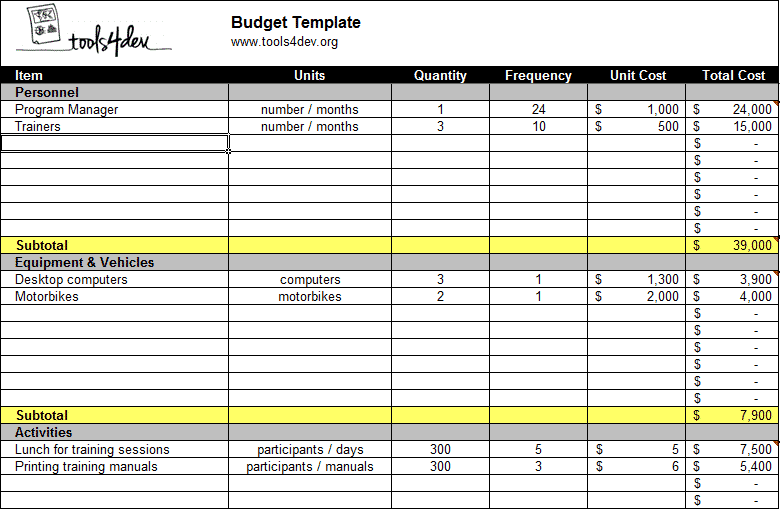
To ensure the long-term success of an online store, assessing its financial performance after launch is crucial. This evaluation allows business owners to understand how their actual financial metrics align with their initial forecasts, providing the insights needed for informed decision-making and strategic adjustments.A comprehensive framework for evaluating financial performance should encompass various components, including the comparison of actual expenses against the projected budget, revenue analysis, and the assessment of key performance indicators (KPIs).
The evaluation process not only highlights areas of strength but also identifies opportunities for improvement.
Framework for Financial Evaluation
Establishing a robust framework for assessing financial performance involves several critical steps. Business owners should prioritize the following aspects:
- Revenue Tracking: Monitor sales data regularly to analyze revenue trends. Compare actual sales against projected figures to identify discrepancies.
- Expense Analysis: Compile a detailed report of all expenses incurred during the post-launch phase. This report should categorize expenses into fixed and variable costs, enabling easier identification of areas where spending may exceed the budget.
- Profit Margin Assessment: Calculate the profit margins by subtracting total expenses from total revenue. This figure provides insight into overall financial health and operational efficiency.
- Cash Flow Monitoring: Evaluate cash flow statements to ensure that the business maintains sufficient liquidity to meet its obligations. Understanding cash inflows and outflows is vital for ongoing operational success.
- Benchmarking Against Competitors: Analyze financial data relative to competitors. This benchmarking can provide context for performance and help identify industry standards.
The importance of comparing actual expenses with the initial budget cannot be overstated. This comparison helps in identifying overages and underutilized resources. Business owners can then adjust future budgets based on these insights to better align with operational realities.
“Regular financial reviews enable businesses to identify areas where budgeting can be improved, ensuring more accurate forecasts in the future.”
Methods for Budget Comparison
To effectively compare actual expenses against the initial budget, consider implementing the following methods:
- Variance Analysis: Conduct a variance analysis to quantify the differences between budgeted and actual amounts. This methodology can highlight specific areas needing attention.
- Monthly Financial Reviews: Schedule regular monthly reviews of financial reports. These meetings should focus on discussing variances and strategizing on corrective actions.
- Utilization of Financial Software: Leverage financial management software that automatically tracks and compares budget versus actual expenses. This tool can simplify the process and provide detailed reports.
Evaluating the financial performance post-launch is an essential practice for identifying strengths and weaknesses in budgeting strategies. By conducting regular financial reviews, business owners can take proactive steps to refine their budgeting processes, ensuring that their online store remains financially healthy and capable of adapting to future challenges.
Last Recap
In summary, mastering the art of budgeting for your first online store launch can significantly influence your business’s potential for growth and profitability. By establishing a solid financial plan, regularly reviewing your expenses, and preparing for unforeseen costs, you can create a robust framework for long-term success. Embrace the budgeting process as an ongoing journey that will not only enhance your financial management skills but also empower you to make informed decisions as you navigate the exciting landscape of e-commerce.