How to Use Email Marketing to Drive Repeat Business is an essential topic for any business looking to enhance customer retention and loyalty. Email marketing stands out as a powerful tool, providing a direct line of communication with existing customers and an opportunity to engage them in meaningful ways. By leveraging effective strategies and best practices, businesses can create compelling content that resonates with their audience, ultimately fostering repeat business and strengthening customer relationships.
This discussion will cover various aspects of email marketing, from understanding its significance to crafting personalized campaigns that keep customers coming back. By exploring the nuances of email content, timing, and performance analysis, readers will gain insights into how to build and maintain a thriving email marketing strategy that drives repeat purchases.
Understanding Email Marketing
Email marketing plays a crucial role in driving repeat business by maintaining a direct line of communication with customers. It enables businesses to nurture relationships with their clients, fostering loyalty and encouraging repeat purchases. By leveraging personalized content and targeted campaigns, companies can significantly enhance customer retention, leading to increased revenue over time.An effective email marketing strategy comprises several core components that work in unison to engage customers.
These components include a well-defined target audience, compelling content, strategic automation, and performance analytics. Understanding these elements is essential for marketers to devise campaigns that resonate with their audience and yield positive results.
Significance of Email Marketing in Business Retention
Email marketing is recognized for its ability to enhance customer retention rates. Retaining existing customers is often more cost-effective than acquiring new ones; thus, businesses that prioritize email marketing can significantly benefit. Through personalized communication, businesses can tailor messages that address the needs and interests of their customer base, leading to increased engagement and loyalty.
Core Components of an Effective Email Marketing Strategy
To establish a robust email marketing strategy, businesses should consider the following essential components:
- Target Audience: Identifying and segmenting the audience based on demographics, purchasing behavior, and preferences allows for tailored messaging.
- Compelling Content: Creating engaging and relevant content that speaks directly to the audience is vital. This includes promotional offers, educational content, or updates about new products.
- Automation: Utilizing automation tools helps to streamline the process of sending emails at optimal times, ensuring that messages reach customers when they are most likely to engage.
- Analytics: Measuring the effectiveness of email campaigns through metrics like open rates, click-through rates, and conversion rates is crucial for continuous improvement.
Differences Between Transactional and Promotional Emails
Transactional emails and promotional emails serve distinct purposes within an email marketing strategy. Transactional emails are triggered by specific actions taken by the customer, such as order confirmations or shipping notifications. These emails tend to have high open rates since they provide essential information directly related to the customer’s actions. According to studies, transactional emails have a 6 to 8 times higher open rate compared to promotional emails, underscoring their effectiveness in fostering trust and transparency.On the other hand, promotional emails are designed to promote products or services, often containing marketing messages or special offers.
The aim is to generate sales and encourage repeat purchases. While promotional emails may not achieve the same open rates as transactional ones, they are essential for driving revenue and keeping the brand at the forefront of customers’ minds.
The key distinction lies in the intent: transactional emails focus on fulfilling customer requests, while promotional emails aim to entice customers to make additional purchases.
Building a Targeted Email List
A well-constructed email list serves as the foundation for effective email marketing campaigns. A targeted email list not only enhances engagement rates but also boosts the likelihood of repeat business. To maximize these benefits, businesses must focus on implementing strategies that attract and retain quality subscribers.Growing a quality email list involves several strategic approaches that align with your business objectives.
It is essential to provide value to potential subscribers through meaningful content, incentives, and a clear understanding of what they can expect from your communications. Below are strategies that can be instrumental in achieving a robust email list.
Strategies for Growing a Quality Email List
Implementing effective strategies is crucial for growing your email list. Here are key actions to consider:
- Value-Driven Content: Offer high-quality, relevant content that addresses the needs and interests of your target audience. This content could be in the form of eBooks, webinars, or exclusive articles.
- Incentives for Subscription: Provide enticing offers such as discounts, free trials, or enter-to-win contests. These incentives can significantly increase sign-up rates.
- Referral Programs: Encourage existing subscribers to refer friends and family. By rewarding both the referrer and the new subscriber, you can create a win-win situation that expands your list.
- Social Media Promotion: Utilize social media platforms to reach potential subscribers. Share sign-up links and promote the benefits of joining your email list.
Best Practices for Segmenting Email Subscribers
Segmenting your email list allows for tailored messaging that resonates with different subscriber groups. Effective segmentation can lead to improved open rates and higher engagement. To ensure efficient segmentation:
- Demographic Segmentation: Group subscribers based on demographic data such as age, gender, or location. This allows for targeted messaging that speaks directly to specific groups.
- Behavioral Segmentation: Analyze subscriber behavior, including purchase history and engagement metrics. This data can help in personalizing communications for those who have shown interest in specific products or services.
- Lifecycle Segmentation: Identify where each subscriber is in their customer journey. Tailor your messages to nurture leads or re-engage dormant customers.
Importance of Opt-In Forms and Landing Pages
The use of opt-in forms and landing pages is critical for capturing new subscribers effectively. These elements ensure that your audience understands the value of subscribing and facilitates a smooth sign-up process.Key aspects to consider:
- Clear Value Proposition: Ensure that your opt-in forms clearly communicate the benefits of subscribing. Highlight what subscribers can expect, such as exclusive content or special offers.
- Design and Usability: Opt-in forms should be visually appealing and easy to fill out. A well-designed landing page can significantly improve conversion rates.
- A/B Testing: Regularly test different versions of your opt-in forms and landing pages to identify which designs and messages yield the best results. This data-driven approach ensures continuous improvement.
Building a targeted email list requires a strategic focus on quality content, effective segmentation, and user-friendly sign-up processes. Each element plays a vital role in fostering long-term relationships with subscribers.
Crafting Compelling Email Content
![5 Powerful Email Marketing Strategies [Updated]](https://fixaja.web.id/wp-content/uploads/2025/09/Mpro-Sep-blogs-22.jpg "5 Powerful Email Marketing Strategies [Updated]")
Creating effective email content is pivotal for successful email marketing campaigns aimed at driving repeat business. Engaging content not only captures the recipient’s attention but also encourages action, ultimately leading to increased customer loyalty and repeat purchases. This section will Artikel key strategies for crafting compelling email content, focusing on writing effective subject lines, persuasive copy, and visual design considerations.
Guidelines for Writing Engaging Subject Lines
The subject line serves as the first impression of your email and significantly influences open rates. An engaging subject line should be concise, informative, and evoke curiosity. To enhance your subject lines, consider the following guidelines:
- Keep it Short: Aim for 6-10 words to ensure visibility on mobile devices.
- Be Clear and Specific: Clearly convey the email’s main idea to set appropriate expectations.
- Incorporate Personalization: Use the recipient’s name or previous purchase information to create a tailored experience.
- Create Urgency: Words like “limited time” or “act now” can prompt quicker responses.
- Use Actionable Language: Start with action verbs to inspire immediate engagement.
Elements of Persuasive Email Copy That Drives Action
Crafting persuasive email copy is essential for effectively encouraging recipients to take action. Key elements of successful email copy include the following:
- Clear Value Proposition: Highlight the benefits of the offer or product, ensuring the recipient understands what’s in it for them.
- Compelling Call to Action (CTA): Use strong, clear CTAs that instruct readers on the next steps, such as “Shop Now” or “Claim Your Discount.”
- Customer Testimonials: Include social proof to build credibility and trust, showcasing satisfied customers’ experiences.
- Storytelling Elements: Weaving narratives into your message can make it more relatable and engaging.
- Proper Formatting: Break up text with bullet points, headers, and short paragraphs to enhance readability.
Visual Design Considerations in Emails
The visual presentation of your email plays a critical role in retaining the reader’s attention and enhancing the overall message. Consider the following design elements to create visually appealing emails:
- Consistent Branding: Use your brand’s colors, logo, and font styles for a cohesive look.
- Responsive Design: Optimize emails for various devices, ensuring they are easily readable on desktops and mobile devices.
- High-Quality Images: Incorporate relevant and professional images that support the content and draw attention.
- Whitespace Utilization: Create balance by leaving sufficient whitespace, which helps in focusing the reader’s attention on key elements.
- Accessible Design: Ensure your emails are accessible to all readers, including those with disabilities, by using alt text for images and appropriate color contrasts.
Timing and Frequency of Emails
Selecting the appropriate timing and frequency for sending emails is crucial for maximizing engagement and nurturing customer relationships. Understanding when to reach out can significantly influence open rates, click-through rates, and ultimately, conversions. This segment will delve into the optimal times and frequency for email communications, ensuring that your messages resonate with your audience without overwhelming them.
Optimal Days and Times for Email Send
Identifying the best days and times to send emails is essential for ensuring that your audience receives and engages with your content. Research shows that certain days of the week and times of day yield better results.
- Best Days: Studies indicate that Tuesdays, Wednesdays, and Thursdays are generally the most effective days for email marketing. These days tend to attract higher open and engagement rates, as Mondays often involve catching up on tasks, and Fridays are often used for planning weekend activities.
- Optimal Times: Early mornings (between 6 AM and 9 AM) and late afternoons (between 4 PM and 6 PM) are considered prime times to send emails. During these windows, individuals are more likely to check their inboxes, either at the start of their workday or as they wind down.
Maintaining Consistent Communication
Consistency in email communication is crucial for building strong relationships with subscribers. However, it is equally important to strike a balance to avoid overwhelming your audience.
- Frequency Guidelines: A reasonable frequency could be one to four emails per month, depending on the nature of your business and the preferences of your audience. Regular communications help keep your brand top-of-mind while ensuring that customers do not feel bombarded.
- Engagement Signals: Monitor unsubscribe rates, open rates, and click-through rates to gauge how your audience responds to your sending frequency. If engagement begins to decline, it may be a sign to reassess your email strategy.
Metrics to Consider for Email Frequency
Evaluating the effectiveness of your email strategy involves a thorough analysis of specific metrics. These metrics provide insights into how well your email campaigns are performing.
- Open Rate: This metric indicates the percentage of recipients who opened your email. A low open rate suggests that your subject lines might need improvement or that the timing of your emails may not align with your audience’s preferences.
- Click-Through Rate (CTR): The CTR measures the percentage of readers who clicked on links within your emails. High CTRs signify that your content is resonating, while low rates might indicate the need for more compelling calls to action.
- Unsubscribe Rate: Monitoring the unsubscribe rate is crucial. A sudden increase can signal that your frequency is too high or that the content is no longer relevant to your subscribers.
- Conversion Rate: Ultimately, the goal of email marketing is to drive conversions. Evaluating the conversion rate will help you understand the effectiveness of your emails in persuading recipients to take desired actions.
Personalization and Automation Techniques
In the realm of email marketing, personalization and automation are vital components that significantly enhance customer engagement and retention. By tailoring email content to match user behavior, businesses can create a more meaningful connection with their audience. Additionally, leveraging automation tools allows for efficient management of email campaigns, ensuring timely communication without manual effort.
Personalizing Email Content Based on User Behavior
Personalization in email marketing involves customizing messages based on the recipient’s past interactions, preferences, and behaviors. By analyzing user data, businesses can send targeted content that resonates with individual needs and increases the likelihood of repeat business. The following strategies can be effectively utilized:
- User Behavior Tracking: Implement tracking tools to monitor customer actions such as website visits, product views, and past purchases. This data helps in crafting relevant messages.
- Segmented Campaigns: Create segments based on customer demographics, preferences, or shopping history. Personalized emails can address each group’s specific interests.
- Dynamic Content: Utilize dynamic content features that change email elements based on recipient data. For instance, showcasing products previously viewed or purchased can enhance engagement.
- Personalized Subject Lines: Incorporating the recipient’s name or tailored topics in the email subject line can increase open rates significantly.
Tools for Automating Email Campaigns and Workflows
Automation tools streamline the process of sending emails at the right time and to the right audience. These tools can help schedule campaigns, trigger emails based on specific actions, and analyze campaign performance. Here are some widely used tools:
- Mailchimp: Known for its user-friendly interface, Mailchimp provides robust automation features that allow users to set up workflows based on customer interactions.
- HubSpot: This comprehensive CRM platform offers powerful email automation capabilities, enabling personalized workflows that adapt based on user behavior.
- ActiveCampaign: With advanced automation features, ActiveCampaign helps businesses create complex email workflows that respond dynamically to customer actions.
- Campaign Monitor: This tool focuses on both email marketing and automation, allowing users to personalize messages based on subscriber data and behaviors.
Designing Automated Follow-Up Sequences for Repeat Business
Automated follow-up sequences are essential in nurturing customer relationships and driving repeat business. An effective follow-up series ensures customers remain engaged after their initial interaction or purchase. The following components are crucial for a successful automated follow-up strategy:
- Welcome Series: Send a series of welcome emails to new subscribers, introducing them to your brand and offering them value through discounts or informative content.
- Post-Purchase Follow-Up: Following a purchase, send thank-you emails along with product recommendations, care instructions, or customer surveys to enhance the post-purchase experience.
- Abandoned Cart Emails: Implement automated emails to remind customers of items left in their shopping cart, often including incentives to encourage completion of the purchase.
- Re-Engagement Campaigns: Target inactive customers with personalized offers or reminders, aiming to rekindle their interest and prompt repeat purchases.
Utilizing personalization and automation techniques not only streamlines the email marketing process but also enriches customer experiences, leading to increased loyalty and repeat business.
Analyzing Email Campaign Performance
To effectively drive repeat business through email marketing, it is critical to analyze the performance of your email campaigns. Understanding the metrics associated with your efforts will enable you to refine your strategies, ensuring that your communications resonate with your audience and yield optimal results. This segment explores the essential metrics to track, how to analyze them, and the importance of A/B testing for continuous improvement.
Key Metrics to Track
Tracking specific metrics is vital for evaluating the success of your email marketing campaigns. Key metrics include:
- Open Rate: This metric indicates the percentage of recipients who open your email, reflecting the effectiveness of your subject line and sender name.
- Click-Through Rate (CTR): The CTR measures the percentage of recipients who clicked on one or more links within the email, indicating the engagement level of your content.
- Conversion Rate: This metric tracks the percentage of recipients who completed a desired action, such as making a purchase or signing up for a webinar, after clicking through your email.
- Unsubscribe Rate: The rate at which recipients opt out of your email list provides insight into how well your content aligns with your audience’s interests.
- Bounce Rate: This metric indicates the percentage of emails that were not successfully delivered, which can affect your overall sender reputation.
Analyzing Open Rates and Click-Through Rates
To derive actionable insights from open and click-through rates, it is essential to conduct a thorough analysis. The following steps can help you evaluate these metrics effectively:
1. Segment Your Audience
Divide your email list into segments based on demographics, previous purchases, or engagement levels to better understand which groups respond to your campaigns.
2. Compare Against Industry Benchmarks
Use industry standards as a reference to gauge the effectiveness of your open and click-through rates. For instance, a typical open rate for many industries hovers around 20-25%.
3. Identify Trends Over Time
Monitor these metrics over multiple campaigns to identify patterns. A consistent drop in open rates may signal a need for fresh content or more engaging subject lines.
4. Solicit Feedback
Encourage recipients to provide feedback through surveys or direct communication, allowing you to understand their preferences and improve future campaigns.
Methods for A/B Testing Email Elements
A/B testing is a powerful method for optimizing email performance. By testing different elements of your emails, you can identify what resonates most with your audience. Here are steps to conduct effective A/B tests:
1. Select One Variable to Test
Focus on one element at a time, such as subject lines, email designs, call-to-action buttons, or send times. This isolation allows for clearer insights into what influences recipient behavior.
2. Create Two Variations
Develop two versions of your email that differ only in the chosen variable. For example, you might test two different subject lines to see which garners a higher open rate.
3. Divide Your Audience
Randomly select a portion of your audience to receive each version of the email, ensuring that the groups are statistically similar.
4. Analyze Results
After the campaign concludes, analyze the performance of both versions based on the metrics defined earlier (open rates, CTR, etc.).
5. Implement Findings
Use the insights gained from A/B testing to inform future campaigns, applying what works best to enhance overall performance.
“Continuous improvement through analysis and testing is the cornerstone of effective email marketing.”
Encouraging Customer Loyalty through Email
Building customer loyalty is essential for any business aiming to secure repeat purchases and enhance customer lifetime value. Email marketing serves as a powerful tool in fostering this loyalty by creating personalized and engaging experiences that resonate with customers. By implementing effective strategies, businesses can use email to not only retain existing customers but also to turn them into brand advocates.
Loyalty Programs Communicated via Email
Loyalty programs are effective ways to reward customers for their continued patronage. These programs can be communicated efficiently through email. A well-structured loyalty program encourages repeat business by offering incentives that are appealing to customers. The following strategies can enhance the effectiveness of loyalty programs through email communication:
- Points-Based Systems: Implement a points-based system where customers earn points for every purchase. Emails can be sent to inform them of their points balance and how close they are to their next reward.
- Exclusive Offers: Create exclusive offers for loyalty members and communicate these via email. This can include discounts, early access to new products, or special promotions.
- Tiered Benefits: Develop tiered loyalty levels where customers can unlock additional benefits by reaching certain spending thresholds. Emails can Artikel the benefits of each tier and encourage customers to strive for higher levels.
- Birthday Rewards: Send personalized birthday emails offering special discounts or gifts, making customers feel valued and appreciated.
Soliciting Customer Feedback and Testimonials
Engaging customers for their feedback not only shows that their opinions matter but also provides valuable insights for business improvement. Email can be an excellent medium for soliciting feedback and testimonials. Here are effective approaches to harness customer feedback through email:
- Post-Purchase Surveys: Send follow-up emails after a purchase, inviting customers to complete a brief survey about their experience. This encourages engagement and helps gather data to improve services.
- Testimonial Requests: Ask satisfied customers to share their testimonials via email. Highlight how their feedback contributes to enhancing the customer experience and consider featuring their comments in future campaigns.
- Feedback Incentives: Offer incentives, such as discounts on future purchases, in return for customer feedback. This can increase response rates significantly.
- Regular Check-ins: Periodically send emails asking how customers are enjoying their purchase or if they need assistance. This shows ongoing care and commitment to customer satisfaction.
Examples of Successful Email Campaigns Focused on Customer Retention
Many brands successfully utilize email marketing to enhance customer retention. For instance, Starbucks employs a robust loyalty program communicated through their app and email, providing personalized offers and rewards that encourage frequent visits. Another notable example is Amazon, which regularly sends targeted emails recommending products based on past purchases, effectively driving repeat business. These successful strategies illustrate how well-executed email campaigns can maintain customer interest and loyalty over time.
Overcoming Common Email Marketing Challenges
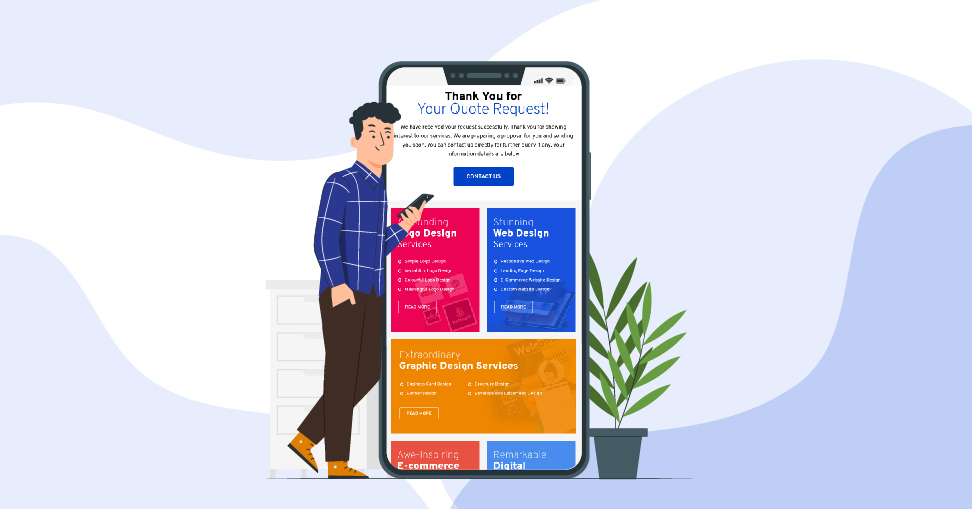
In the dynamic landscape of email marketing, businesses often encounter several challenges that can impede their efforts to drive repeat business. Recognizing these pitfalls and implementing effective strategies is essential for maximizing the potential of email campaigns. This section addresses common obstacles faced by marketers and provides practical solutions to enhance the efficacy of email marketing efforts.
Common Pitfalls in Email Marketing
Several challenges can undermine the effectiveness of email marketing campaigns. Understanding these issues is critical to developing a robust email marketing strategy. Some prevalent pitfalls include:
- Poor Email List Management: Failure to maintain a clean and updated email list can lead to high bounce rates and diminished engagement.
- Inconsistent Branding: Lack of a cohesive brand voice and visual identity across email communications can confuse recipients and erode brand trust.
- Neglecting Mobile Optimization: With a significant portion of emails opened on mobile devices, emails that are not mobile-friendly can result in poor user experiences.
- Inadequate Testing: Not conducting A/B testing on email campaigns may prevent marketers from understanding what resonates with their audience.
Maintaining Email Deliverability and Avoiding Spam Filters
Email deliverability is crucial for ensuring that communications reach the intended audience. To optimize deliverability and reduce the chances of emails being flagged as spam, consider the following strategies:
- Authenticate Your Emails: Implement protocols such as SPF, DKIM, and DMARC to verify your identity as a sender and improve trust with email providers.
- Monitor Sender Reputation: Regularly check your sender score and reputation to identify and rectify any issues that may affect deliverability.
- Engage Subscribers: Regularly send relevant content to maintain engagement levels, as higher engagement rates can improve deliverability.
- Maintain a Clean List: Regularly remove inactive subscribers and bounced email addresses to keep your list healthy and engaged.
Handling Unsubscribes and Re-engaging Inactive Subscribers
Unsubscribes are a natural part of email marketing, but understanding how to manage them effectively is key. Additionally, strategies for re-engaging inactive subscribers can help recover lost opportunities. Implement the following practices:
- Respect Subscribers’ Choices: Always provide an easy and transparent unsubscribe process to maintain a positive brand image.
- Analyze Unsubscribe Reasons: Collect feedback on why subscribers are opting out and use this information to enhance future campaigns.
- Segment Inactive Subscribers: Identify and segment users who have not engaged with recent emails to tailor specific re-engagement campaigns.
- Offer Incentives: Consider providing exclusive offers or personalized content to entice inactive subscribers back to your brand.
Last Point
In conclusion, utilizing email marketing to drive repeat business is not just about sending messages; it’s about cultivating a relationship with your customers that encourages loyalty and trust. As we have explored, the key components of effective email marketing include understanding your audience, crafting engaging content, and employing the right tools for personalization and automation. By implementing these strategies, businesses can overcome common challenges and create impactful email campaigns that resonate with their subscribers, ultimately leading to increased customer retention and business growth.