How to Create and Manage Discount Codes is an essential guide for businesses looking to enhance their marketing strategies through effective pricing incentives. By utilizing discount codes, companies can not only attract new customers but also foster loyalty among existing ones, creating a win-win situation for both parties involved.
This guide will walk you through the fundamental aspects of discount codes, including their various types, how to create and implement them across e-commerce platforms, and strategies for managing and promoting these codes to maximize their effectiveness.
Overview of Discount Codes

Discount codes are promotional tools utilized by businesses to incentivize purchases by reducing prices on products or services. These codes typically consist of alphanumeric characters that customers can enter during the checkout process to receive a discount. The primary purpose of discount codes within marketing strategies is to attract new customers, retain existing ones, and increase overall sales volume by encouraging customers to complete their purchases.The benefits of using discount codes extend to both businesses and customers.
For businesses, discount codes can effectively drive traffic to their online stores, promote new products, or move excess inventory. They can also enhance customer loyalty by providing incentives for repeat purchases. From a customer perspective, discount codes offer a financial advantage, making products more affordable and encouraging consumers to try new items. Customers appreciate the opportunity to save money, which can lead to higher satisfaction and a desire to return.
Types of Discount Codes
Various types of discount codes are prevalent in the e-commerce landscape, each serving distinct purposes and catering to different marketing goals. Understanding the different types can help businesses tailor their strategies effectively. The following are common categories of discount codes used online:
- Percentage Off Codes: These codes provide a specified percentage discount on the total price. For example, a code offering 20% off a purchase can effectively motivate customers to buy.
- Fixed Amount Off Codes: These codes grant a specific dollar amount off a purchase. For instance, a $10 off code can encourage customers to complete their transaction, especially if they are close to a threshold amount.
- Free Shipping Codes: These codes take away shipping costs, which can be a significant factor for customers. By removing this cost barrier, businesses can enhance the likelihood of conversion.
- Buy One Get One (BOGO) Codes: These promotional codes incentivize customers to buy more by offering a free or discounted item with the purchase of another. This not only increases sales but can also introduce customers to new products.
- Seasonal or Holiday Codes: Targeted discounts during seasons or holidays can drive sales during peak times. For instance, Black Friday or Christmas specials can attract customers looking for deals.
Implementing diverse discount codes can lead to a more dynamic marketing approach, allowing businesses to adapt to changing consumer behaviors and demands. Using a variety of promotional strategies not only enhances the overall shopping experience but also positions businesses favorably within competitive markets.
Creating Discount Codes

Creating effective discount codes is a crucial aspect of e-commerce that can significantly enhance customer engagement and boost sales. The design and implementation of these codes require careful consideration of various parameters to maximize their effectiveness. This section will Artikel the essential steps for designing discount codes that resonate with customers and provide them with valuable incentives.Setting the right parameters for discount codes is fundamental in ensuring they meet business objectives while appealing to customers.
Discounts can be structured as a percentage off, a fixed dollar amount off, or even as free shipping. Each format can be strategically deployed based on the promotional goals, product offerings, and customer expectations.
Steps to Design Discount Codes
The following steps Artikel how to create effective discount codes tailored for diverse platforms. Each step plays a vital role in ensuring that the codes are not only functional but also enticing for customers.
1. Identify the Discount Type
Select from percentage off, fixed amount off, or free shipping based on your marketing strategy.
Percentage off can attract customers looking for a good deal, especially on higher-priced items.
Fixed amount off can be more appealing for lower-priced products or as a part of a marketing strategy to clear inventory.
Free shipping is often a decisive factor for online shoppers and can lead to increased cart sizes.
2. Set Expiration Dates
Establish a clear time frame for the discount to create urgency. Limited-time offers can encourage immediate purchases and reduce the chances of cart abandonment.
3. Define Usage Limits
Determine whether the discount code is single-use or can be used multiple times. Setting a limit can help manage your budget, while an unlimited code may encourage sharing and wider usage.
4. Create Unique Code Names
Design memorable and creative code names that resonate with the promotion. Examples include “SAVE20” for a 20% discount or “FREESHIP” for free shipping offers. Consider seasonal or thematic names like “SPRINGFLING” for spring promotions to enhance relevance.
5. Test the Codes
Before launching, ensure the codes function properly across all platforms.
Testing helps avoid customer frustration and ensures a smooth shopping experience.
Examples of Creative Discount Code Names
The naming of discount codes can significantly impact customer attraction and retention. Creative names can enhance the promotional experience and encourage customers to engage more with your brand.
“WELCOME10”
Ideal for first-time customers, providing a 10% discount to encourage new users to make their first purchase.
“BUNDLEUP”
This code can apply discounts when customers purchase multiple items, promoting larger cart sizes.
“THANKYOU15”
A great way to show appreciation to loyal customers while giving them a 15% discount on their next purchase.
“FLASHSALE”
This name implies urgency and can be used for short-lived promotions, driving immediate traffic and sales.By thoughtfully designing discount codes and choosing engaging names, businesses can effectively attract customers, enhance their shopping experience, and ultimately drive sales growth.
Implementing Discount Codes
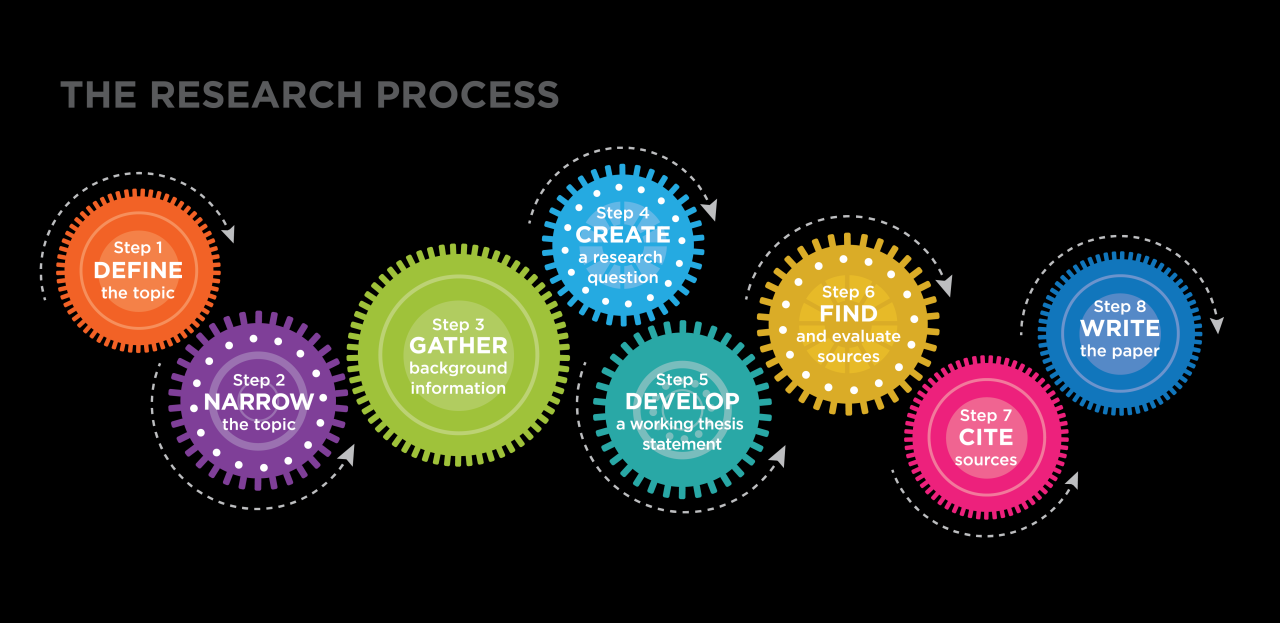
Integrating discount codes into an e-commerce website or mobile app is an essential aspect of enhancing customer engagement and driving sales. Implementing discount codes effectively requires a combination of strategic planning and technical execution to ensure a seamless customer experience.To successfully integrate discount codes, several technical requirements must be considered. This includes the development of a system that can generate, validate, and apply these codes during the checkout process.
Additionally, it is crucial to maintain a database that tracks the usage of discount codes, ensuring that they can be managed effectively and securely.
Technical Requirements for Discount Code Integration
Implementing discount codes involves several key technical components that should be in place to ensure functionality and reliability. These components include:
- Database Management: A robust database is needed to store discount codes, their expiration dates, usage limits, and the specific conditions under which they apply.
- Code Generation: An efficient algorithm for generating unique discount codes is essential to prevent duplication and maintain security.
- Validation System: A mechanism must be in place to validate discount codes entered by customers, checking for validity, expiration, and whether usage limits have been reached.
- Checkout Integration: The discount code functionality should be integrated into the checkout process, allowing customers to apply codes seamlessly.
- User Interface Design: The design must be user-friendly, ensuring that customers can easily locate where to enter their codes during the purchase process.
Software Options for Managing Discount Codes
Choosing the right software to manage discount codes is critical for any e-commerce platform. Various options are available, each offering unique features and benefits. Below is a comparative overview of some popular software solutions:
| Software | Key Features | Pros | Cons |
|---|---|---|---|
| Shopify | Built-in discount code generator, customizable options | Easy to use, integrated with a wide range of apps | Transaction fees on lower-tier plans |
| WooCommerce | Extensive plugin support, automated discount rules | Highly customizable, no transaction fees | Requires more setup time and technical knowledge |
| Magento | Advanced promotion management, multi-store capabilities | Powerful for large businesses, highly scalable | Complex interface, higher costs for hosting and development |
| BigCommerce | Discount code analytics, automated promotions | No transaction fees, built-in features | Limited customization compared to others |
The right choice of software depends on the specific needs of the business, including the size of the operation, budget, and technical capabilities. It is advisable to evaluate each option based on factors such as ease of use, scalability, and the types of discount codes that can be implemented.
Managing Discount Codes
The effective management of discount codes is crucial for maximizing their impact on sales and customer retention. This process involves tracking their performance, analyzing customer behavior, and making informed adjustments based on feedback. By adopting a systematic approach to managing discount codes, businesses can enhance their promotional strategies and improve overall performance.
Performance Tracking of Discount Codes
Monitoring the success of discount codes is essential to determine their effectiveness and ROI. Various metrics can be used to assess performance, including redemption rates, sales generated, and customer engagement levels. Key performance indicators (KPIs) provide valuable insights into how discount codes influence customer purchasing decisions and overall sales.To track performance effectively, businesses should implement the following strategies:
- Redemption Rate Analysis: Measure the percentage of issued discount codes that are redeemed. A low redemption rate may indicate the need for code adjustments or targeted promotions.
- Sales Impact Evaluation: Analyze the increase in sales volume attributed to discount codes to determine their financial impact.
- Customer Acquisition Metrics: Track new customers acquired through discount codes and compare them with existing customers to assess the overall customer base growth.
- Customer Feedback Collection: Solicit feedback from customers who used discount codes to gauge their satisfaction and identify potential areas for improvement.
Optimizing Discount Codes Based on Customer Behavior
Understanding customer behavior is pivotal for optimizing discount codes. Businesses can tailor promotions by analyzing purchasing patterns, preferences, and feedback. Strategies for optimization include:
- Segmented Targeting: Customize discount codes for specific customer segments based on their buying habits and preferences.
- Time-Limited Offers: Create urgency by offering limited-time discounts, encouraging faster conversion rates.
- Personalization: Use customer data to provide personalized discount codes that resonate with individual preferences.
- A/B Testing: Experiment with different discount structures or promotional messages to identify the most effective approaches.
Effectiveness Analysis Table
To facilitate a clear analysis of discount code effectiveness, a structured table can be employed. Below is a sample table that Artikels key metrics for various discount codes:
| Discount Code | Redemption Rate (%) | Sales Generated ($) | New Customers Acquired | Customer Satisfaction Rating |
|---|---|---|---|---|
| SAVE10 | 25 | 5,000 | 150 | 4.5/5 |
| FREESHIP | 30 | 7,500 | 200 | 4.7/5 |
| SUMMER20 | 15 | 3,000 | 75 | 4.2/5 |
This table provides a succinct overview of various discount codes, allowing businesses to compare their performance and make strategic decisions based on empirical data.
Marketing Discount Codes
Promoting discount codes effectively is an essential aspect of any successful marketing strategy. When executed correctly, marketing discount codes can drive sales, increase customer loyalty, and enhance brand visibility. This section will explore various methods to promote discount codes, the significance of timing and urgency in marketing campaigns, and a structured approach to launching a discount code campaign.
Methods to Promote Discount Codes
Utilizing multiple channels to disseminate discount codes is crucial for maximizing reach and impact. Below are several effective methods to promote discount codes:
- Email Marketing: Send personalized emails to your customer base highlighting the discount codes. Utilize catchy subject lines and engaging content to ensure high open and click-through rates.
- Social Media Platforms: Use platforms like Facebook, Instagram, and Twitter to share discount codes. Create visually appealing posts or stories that encourage sharing and engagement among followers.
- Influencer Collaborations: Partner with influencers to promote your discount codes. Their endorsement can provide credibility and reach potential customers who trust their recommendations.
- Website Banners and Pop-ups: Strategically place banners or pop-up notifications on your website to showcase discount codes to visitors during their shopping experience.
- Affiliate Marketing: Encourage affiliates to promote your discount codes through their channels, rewarding them with commissions for successful referrals.
Importance of Timing and Urgency
The timing of your discount code promotions and the urgency associated with them can significantly affect their success. Creating a sense of urgency can compel customers to take action quickly. Consider the following strategies:
- Limited-Time Offers: Implement discount codes that are only valid for a short period. This encourages customers to make quicker purchasing decisions.
- Seasonal Promotions: Align discount codes with holidays or seasonal events to capitalize on increased consumer spending during these times.
- Countdown Timers: Display countdown timers on your website or in emails to visualize the time remaining for the discount, enhancing the sense of urgency.
- Exclusive Access: Offer discount codes to a select group of customers or for a specific product launch, creating exclusivity and urgency around the offer.
Designing a Campaign to Launch a Discount Code
A well-structured campaign can significantly enhance the effectiveness of your discount code promotion. Below are key promotional elements to consider when designing your campaign:
- Clear Messaging: Ensure that the message surrounding the discount code is straightforward and highlights the value it offers to customers.
- Multi-Channel Approach: Leverage various marketing channels, including social media, email, and your website, to reach a broader audience.
- Visual Elements: Incorporate eye-catching graphics and consistent branding in all promotional materials to maintain brand recognition.
- Follow-Up Strategies: After the initial promotion, implement follow-up strategies to remind customers about the discount and encourage conversions.
- Analytics and Tracking: Utilize analytics tools to monitor the performance of your discount code campaign, allowing you to make data-driven adjustments as necessary.
“Effective marketing of discount codes not only drives immediate sales but also fosters long-term customer relationships.”
Legal and Ethical Considerations
When creating and managing discount codes, it is essential to navigate the complex landscape of legal and ethical considerations. Organizations must adhere to specific legal guidelines while also upholding ethical standards to maintain consumer trust and brand integrity. This section Artikels important legal frameworks and ethical principles that should be considered when developing discount codes.
Legal Guidelines Governing Discount Codes
Various laws and regulations govern the use of discount codes, primarily aimed at protecting consumers and promoting fair competition. Compliance with these laws is necessary to avoid legal pitfalls. The following points highlight critical legal considerations:
- Truth in Advertising: Advertisements, including discount codes, must be truthful and not misleading. The Federal Trade Commission (FTC) mandates that all claims be substantiated, including the savings consumers can expect from using a discount code.
- Expiration Dates: Discount codes should clearly display expiration dates. Failure to do so may result in consumer confusion and potential legal issues over false advertising.
- Restrictions and Terms: Clearly communicate any restrictions associated with discount codes, such as limits on usage or applicability on specific products. Transparency about these terms helps ensure compliance with consumer protection laws.
- Data Privacy: When collecting personal information related to discount code usage, compliance with data protection regulations (like GDPR or CCPA) is crucial to safeguard consumer data and privacy.
Ethical Considerations in Discount Codes
Ethical considerations play a vital role in the development and marketing of discount codes. Organizations should strive to engage in practices that not only comply with legal standards but also foster consumer trust and loyalty. The following points illustrate key ethical principles:
- Fairness: Discount codes should be accessible and fair, allowing all customers an equal opportunity to benefit. Practices such as exclusive codes for select customers may lead to perceptions of inequality.
- Honesty in Promotion: Avoid exaggerating the savings associated with discount codes. Providing accurate information helps consumers make informed decisions and builds long-term trust.
- Respect for Customer Privacy: In collecting consumer data, respect for privacy is paramount. Use information responsibly and ensure customers are aware of how their data will be utilized.
- Responsible Marketing: Avoiding aggressive marketing tactics that pressure consumers into purchases using discount codes is essential. Ethical marketing respects the consumer’s autonomy and decision-making process.
Avoiding Common Pitfalls in Discount Code Usage
While discount codes can drive sales and enhance customer engagement, certain common pitfalls can undermine their effectiveness and legality. Understanding these pitfalls can help businesses navigate the complexities of discount code promotion. The following strategies can assist in avoiding these issues:
- Clear Communication: Ensure all terms and conditions associated with discount codes are clearly communicated to avoid misunderstandings that may lead to customer dissatisfaction.
- Regular Updates: Frequently review and update discount code policies to ensure compliance with changing legal requirements and industry standards.
- Consumer Feedback: Actively seek and consider consumer feedback on discount code programs. This engagement can provide valuable insights and help identify areas for improvement.
- Monitoring and Evaluation: Continuously monitor the effectiveness of discount codes and evaluate their impact on sales, customer behavior, and overall business reputation.
Customer Feedback and Adjustments
Gathering and analyzing customer feedback regarding discount codes is a pivotal aspect of ensuring their effectiveness and relevance. Understanding how customers perceive and interact with discount codes can provide insights that lead to improved offerings. This process not only enhances customer satisfaction but also contributes to the overall success of promotional strategies.Adapting discount codes based on customer interactions is essential for maintaining engagement and encouraging repeat business.
Customer feedback serves as a direct line to understanding the effectiveness of discounts, enabling businesses to make informed decisions. Moreover, being responsive to customer insights can foster loyalty, as customers feel valued and heard.
Common Customer Concerns Related to Discount Codes
It is crucial to recognize and address common customer concerns regarding discount codes to ensure a seamless experience. Below are some frequent issues customers may encounter, along with effective strategies for addressing them:
- Expiration Dates: Customers often express frustration over discount codes that expire too quickly. To mitigate this, ensure that expiration dates are clearly communicated and consider extending the validity period based on feedback.
- Eligibility Restrictions: Many customers are confused about the limitations on discount codes, such as minimum purchase amounts or product exclusions. Provide clear information on the terms and conditions associated with each discount code to enhance transparency.
- Technical Issues: Customers may experience difficulties applying discount codes during checkout. Regularly test the discount code functionality across all platforms and promptly address any technical glitches that arise.
- Value Perception: Customers may feel that the value of the discount code does not meet their expectations. Continuously analyze the effectiveness of discount amounts and be willing to adjust based on customer feedback and sales data.
- Communication Clarity: Confusion can arise when customers do not receive adequate communication about available discount codes. Utilize multiple channels, such as email newsletters and social media, to keep customers informed about current promotions.
Future Trends in Discount Codes
The landscape of discount codes is rapidly evolving, influenced by technological advancements and shifting consumer behaviors. As businesses adapt to these changes, understanding future trends in discount codes will be crucial for maintaining competitiveness and enhancing customer engagement. This section explores emerging strategies, technological impacts, and preparations businesses can undertake to align with evolving consumer preferences regarding discounts.
Emerging Trends in Discount Code Strategies
Discount code strategies are witnessing a transformation as businesses increasingly leverage data analytics and personalization techniques to enhance customer experiences. The following trends are shaping the future of discount codes:
- Dynamic Pricing: The use of algorithms to adjust prices in real-time based on demand, customer behavior, and market conditions is becoming more prevalent. This allows businesses to offer personalized discounts that align with an individual customer’s purchasing history and preferences.
- Gamification: Incorporating game-like elements into discount code campaigns—such as challenges or rewards for sharing codes on social media—enhances customer interaction and engagement. This strategy not only incentivizes purchases but also encourages brand loyalty.
- Subscription Models: As businesses explore subscription-based offerings, exclusive discount codes for subscribers are becoming a standard practice. These codes drive retention by rewarding loyal customers with unique discounts and offers.
- Mobile-First Approach: With a growing number of consumers using mobile devices for shopping, discount codes that are optimized for mobile platforms are increasingly important. Businesses are focusing on creating user-friendly mobile interfaces and integrating discount codes seamlessly into mobile apps.
Impact of Technology on Discount Codes
Technology is revolutionizing how discount codes are generated, distributed, and utilized. Innovations are making it easier for businesses to implement effective promotional strategies. Key technological advancements include:
- Artificial Intelligence: AI-driven tools are optimizing the creation of discount codes by analyzing customer data and predicting trends. These insights allow businesses to tailor promotions to maximize effectiveness.
- Blockchain Technology: The use of blockchain for securing and tracking discount codes offers enhanced transparency and reduces fraud, ensuring that customers receive legitimate offers.
- Chatbots and Automation: Businesses are employing chatbots to distribute discount codes to customers through conversational interfaces. This automation streamlines the user experience and enhances customer service.
- Augmented Reality (AR): AR can provide immersive experiences where customers can unlock discounts by interacting with products in a virtual environment. This innovation not only drives engagement but also enhances the overall shopping experience.
Preparing for Changes in Consumer Behavior Regarding Discounts
As consumer behaviors continue to evolve, businesses must remain agile in adapting their discount strategies. The following considerations will help organizations prepare for shifting trends:
- Data-Driven Insights: Collecting and analyzing customer data will enable businesses to identify changes in purchasing patterns and preferences. Leveraging this information can help craft more effective discount campaigns tailored to customers’ needs.
- Focus on Sustainability: Modern consumers increasingly seek brands that prioritize sustainability. Offering eco-friendly products with exclusive discounts can resonate well with environmentally conscious consumers.
- Transparency in Offers: Today’s consumers are more informed and skeptical of promotions. Providing clear information about discount terms and conditions fosters trust and encourages engagement.
- Personalization: Creating a personalized shopping experience through targeted discounts based on individual customer profiles can enhance satisfaction and retention.
Last Word
In conclusion, mastering the art of creating and managing discount codes can significantly impact your business’s success in a competitive market. By understanding customer behavior, utilizing effective marketing strategies, and staying informed about legal considerations, you can create compelling offers that resonate with your audience, ultimately driving sales and enhancing customer satisfaction.