In today’s competitive landscape, understanding how to conduct market research for your ecommerce idea is essential for success. This guide delves into the critical components of market research, illuminating its significance in minimizing risks and identifying opportunities. As you embark on this journey, you will discover the various methodologies and tools available to transform raw data into actionable insights, enabling you to make informed business decisions.
By grasping the nuances of your target audience, analyzing emerging market trends, and conducting thorough competitive analyses, you will be well-equipped to position your ecommerce venture strategically. This comprehensive approach not only enhances your understanding of the marketplace but also fosters innovation that can set your business apart in an ever-evolving environment.
Understanding Market Research

Market research is a critical component in the development of any ecommerce venture. It provides invaluable insights into target demographics, consumer behaviors, market trends, and competitive landscapes. By leveraging market research, entrepreneurs can make informed decisions that enhance their chances of success while mitigating potential pitfalls.The importance of market research in ecommerce cannot be overstated. It serves as the foundation for understanding customer needs and preferences, which is crucial for product development, marketing strategies, and overall business planning.
Through comprehensive research, ecommerce businesses can identify opportunities, understand challenges, and discover ways to differentiate themselves in a crowded marketplace.
Types of Market Research Methods
Market research encompasses a variety of methods, each serving distinct purposes and offering unique insights. The choice of method depends on the specific objectives of the research and the type of information required. The following categories Artikel the primary market research methods:
- Primary Research: This involves the collection of original data directly from sources. Techniques can include surveys, interviews, and focus groups. Primary research is valuable for obtaining firsthand insights and detailed feedback from potential customers.
- Secondary Research: This method utilizes existing data gathered from various sources, such as industry reports, academic studies, and market analysis. Secondary research helps to understand broad market trends and competitor strategies without the need for direct engagement with consumers.
- Qualitative Research: Focused on understanding the underlying reasons and motivations behind consumer behaviors. Methods include open-ended surveys and in-depth interviews that explore consumer attitudes and feelings.
- Quantitative Research: Involves the collection and analysis of numerical data to uncover patterns and statistical insights. This can be achieved through structured surveys and data analytics, providing measurable outcomes that assist in decision-making.
Understanding the role of each type of research allows ecommerce businesses to tailor their strategies effectively based on comprehensive insights.
Role of Market Research in Minimizing Business Risks
Effective market research plays a pivotal role in minimizing the risks associated with launching and operating an ecommerce business. By identifying potential challenges and market dynamics, entrepreneurs can take proactive measures to address these issues. The following points illustrate how market research mitigates risks:
- Informed Decision-Making: Access to data-driven insights empowers business owners to make strategic decisions regarding product offerings, pricing, and marketing approaches. This reduces the likelihood of costly missteps.
- Competitive Analysis: Understanding competitors helps ecommerce businesses identify their strengths and weaknesses, allowing for the development of strategies that capitalize on market gaps and consumer preferences.
- Customer Insights: Gaining a deep understanding of customer needs and expectations enables businesses to tailor their products and services accordingly. This increases customer satisfaction and loyalty while reducing churn rates.
- Market Trends: Staying informed about industry trends helps businesses anticipate changes in consumer demand, ensuring they remain relevant and competitive in a fast-evolving marketplace.
By integrating market research into their strategic planning, ecommerce entrepreneurs can navigate uncertainties and build a robust framework for sustainable growth.
Defining Your Target Audience
Defining your target audience is a crucial step in the market research process for any eCommerce venture. A clear understanding of who your customers are will guide your marketing strategies, product development, and overall business decisions. By identifying key demographics and creating a comprehensive customer profile, you can effectively tailor your offerings to meet the needs of your audience.
Key Demographics to Consider
When defining your target audience, it is essential to consider various demographic factors that can influence purchasing behavior. These demographics include age, gender, income level, education, geographic location, and lifestyle preferences. Understanding these elements will enable you to segment your audience and develop targeted marketing strategies.
- Age: Identify the age range of your ideal customers, as different age groups have distinct preferences and spending habits.
- Gender: Consider whether your products cater to a specific gender, as marketing messages and channels may differ based on this demographic.
- Income Level: Analyze the income brackets of your potential customers to determine pricing strategies and product offerings that align with their purchasing power.
- Education: Educational background can influence consumer behavior and decision-making, affecting how you communicate your brand values.
- Geographic Location: Understanding where your customers live can help tailor marketing messages to regional preferences and needs.
- Lifestyle Preferences: Consider factors such as hobbies, interests, and values that can impact consumer choices and brand loyalty.
Creating a Profile for an Ideal Customer
Creating a detailed customer profile uses the demographic data collected to paint a clear picture of your ideal customer. This profile should reflect real data and insights derived from your research findings, which can enhance your marketing efforts significantly.
A well-crafted customer persona may include the following attributes:
Name and Age
Create a fictional name and specify the age to humanize the profile.
Occupation
Artikel the professional background to understand purchasing motivations.
Interests and Hobbies
List the activities and interests that resonate with your ideal customer.
Buying Behaviors
Describe how they shop – whether online or in-store, and what influences their buying decisions.
Utilizing tools such as surveys, interviews, or social media analytics can assist in gathering valuable insights for this profile.
Methods for Gathering Data on Potential Customers
Accurate data collection is vital for understanding your target audience effectively. Several methods can be employed to gather pertinent information about potential customers.
Surveys and questionnaires can be distributed through email campaigns or social media platforms. This method allows for direct feedback on preferences, interests, and shopping habits.
Focus groups offer qualitative insights by engaging a small group of individuals representing your target audience. This method facilitates in-depth discussions that reveal motivations and perceptions.
Online analytics tools can provide valuable data regarding website visitors, including demographic information, behavior patterns, and preferences. Tools such as Google Analytics, social media insights, and eCommerce platform metrics can give a comprehensive view of your audience.
Utilizing these methods will ensure that your data is reliable and actionable, enabling you to make informed decisions as you develop your eCommerce strategy.
Analyzing Market Trends
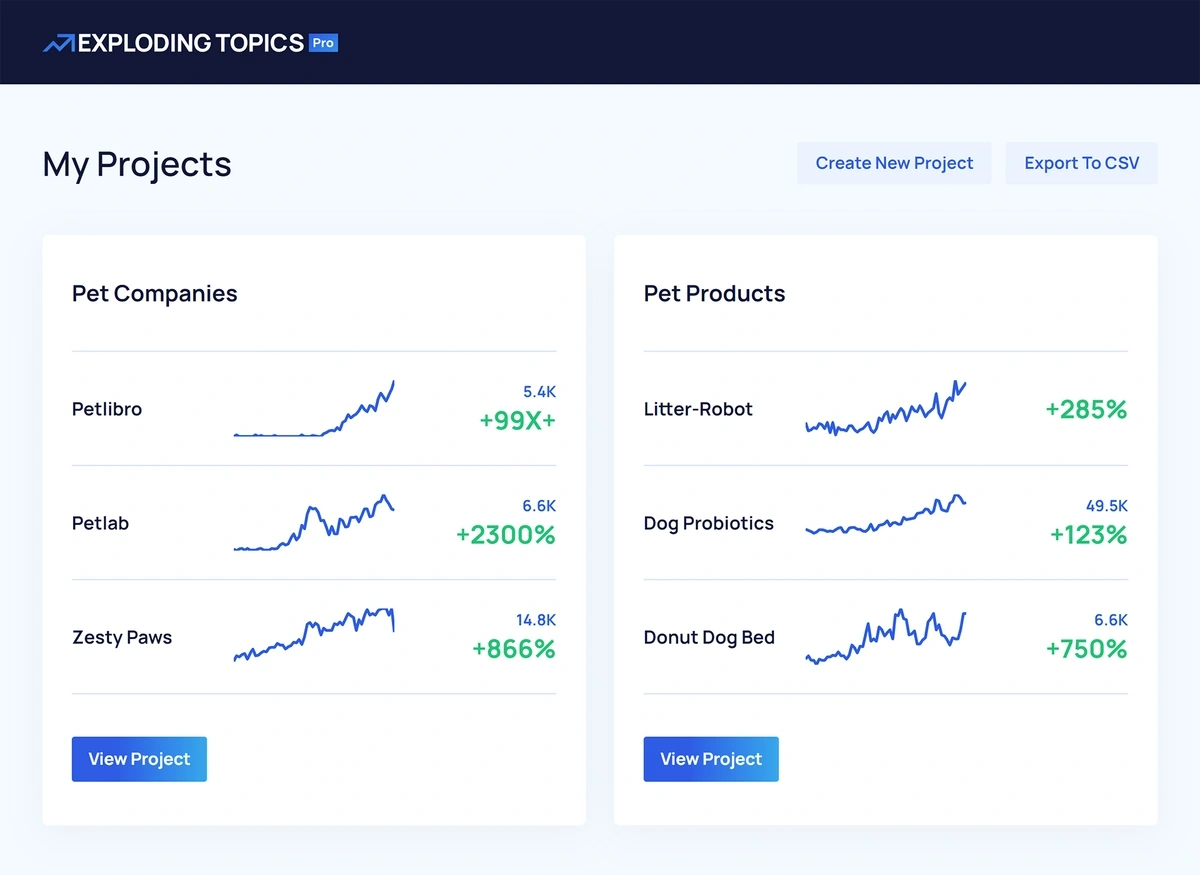
In the rapidly evolving world of eCommerce, staying abreast of market trends is crucial for any business aiming to succeed. Understanding these trends allows entrepreneurs to make informed decisions, adapt their strategies, and anticipate customer needs. This section will delve into effective methods for identifying current trends in the eCommerce space, the tools available for trend analysis, and the factors that contribute to market changes.
Identifying Current Trends in the eCommerce Space
To successfully analyze market trends, it is essential to utilize various resources and techniques that reveal consumer behavior, technological advancements, and emerging product categories. Monitoring these trends helps businesses align their offerings with market demands.Key methods for identifying market trends include:
- Social Media Monitoring: Platforms like Instagram, Twitter, and TikTok provide real-time insights into consumer preferences and trending products. By observing popular hashtags and influencers, businesses can gauge what resonates with the audience.
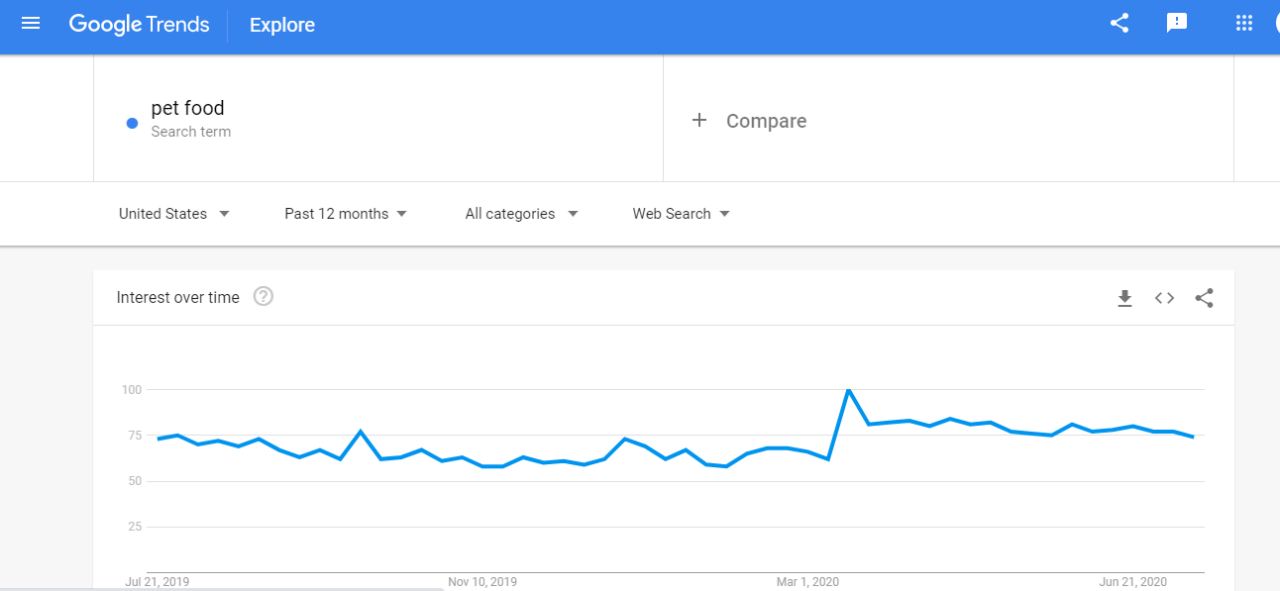
- Google Trends: This tool allows users to analyze the popularity of specific search queries over time, providing insights into rising interests and seasonal fluctuations in consumer behavior.
- Competitor Analysis: Keeping track of competitors’ strategies and product launches can reveal insights into what is currently popular in the market. Tools such as SEMrush and Ahrefs can assist in understanding competitor performance.
- Market Reports and Research Firms: Organizations like Statista, Nielsen, and eMarketer publish comprehensive reports detailing current market conditions and forecasts, ideal for understanding broader industry trends.
Tools for Trend Analysis
Utilizing the right tools can significantly enhance the effectiveness of market trend analysis. Several platforms equip businesses with data and insights necessary for informed decision-making.Examples of valuable tools for trend analysis are:
- BuzzSumo: This platform analyzes what content performs best for any topic or competitor, helping businesses identify popular content trends.
- Moz: A powerful tool that aids in understanding trends and search volume, contributing to visibility in the marketplace.
- Think with Google: This resource provides insights into consumer trends, marketing research, and access to reports that can shape eCommerce strategies.
- Statista: A comprehensive statistics portal that offers access to countless statistics and studies from more than 22,500 sources, covering many industries including eCommerce.
Factors Contributing to Market Changes
Understanding the factors that contribute to market changes is vital for effective trend analysis. Various elements influence shifts in consumer behavior and eCommerce dynamics.The following factors are critical to market changes:
- Technological Advancements: Innovations such as artificial intelligence, augmented reality, and blockchain are reshaping the eCommerce landscape, affecting how businesses operate and consumers shop.
- Changing Consumer Preferences: As customers become more conscious of social and environmental issues, preferences shift towards sustainable and ethically produced products.
- Economic Conditions: Factors such as inflation rates, employment levels, and consumer spending power can significantly impact purchasing decisions.
- Regulatory Changes: New regulations regarding data privacy and online transactions can alter how eCommerce businesses operate and influence consumer trust.
- Global Events: Events such as the pandemic have dramatically shifted consumer behavior, pushing more shoppers towards online purchases and altering demand patterns across various sectors.
Competitive Analysis
Understanding your competitors is crucial in the realm of eCommerce. A thorough competitive analysis allows you to identify key players in your niche, evaluate their strengths and weaknesses, and determine how your offering can stand out in a crowded market. This analysis can guide your strategic decisions, enabling you to carve out a unique position for your eCommerce business.Identifying and analyzing competitors requires a systematic approach.
Begin by identifying direct competitors—those who offer similar products or services—and indirect competitors—those who fulfill the same customer needs with different solutions. Use online tools such as SEMrush, Ahrefs, or social media platforms to gather insights into their digital presence, customer engagement, and overall market positioning.
Comparison Table of Competitors
Creating a comparison table is an effective way to visualize the strengths and weaknesses of your competitors. This table should include factors such as pricing, product range, customer service, and unique selling propositions (USPs). Here is a sample format for a competitive analysis table:
| Competitor Name | Strengths | Weaknesses |
|---|---|---|
| Competitor A | Strong brand presence, Wide product range, Excellent customer service | Higher prices, Limited shipping options |
| Competitor B | Affordable pricing, Fast shipping, Good online reviews | Narrow product selection, Less brand recognition |
| Competitor C | Innovative products, Strong social media engagement | Limited physical store locations, Higher return rates |
Evaluating these elements allows you to see where your competitors excel and where they fall short. This insight is essential for refining your own business strategy.Differentiating your eCommerce idea from those of your competitors is of utmost importance. A unique value proposition (UVP) clearly articulates what makes your product or service distinctive. This might include superior quality, exceptional customer service, or a unique feature that solves a problem better than alternatives on the market.
Incorporating feedback from market research can inform your UVP and help address gaps identified in competitor analysis. By ensuring that you meet an unfulfilled need or enhance a current offering, you position your eCommerce business for success.
“Successful differentiation is not merely about being different, but about being relevant to your target audience.”
By systematically analyzing your competition, you not only gain valuable market insights but also enhance your strategic positioning, leading to a more robust and competitive eCommerce presence.
Data Collection Techniques
Data collection is a critical step in market research, as it enables you to gather valuable insights that inform your eCommerce strategy. By utilizing various techniques for both quantitative and qualitative data, you can obtain a well-rounded understanding of your target market. There are several effective methods for collecting data, each serving a unique purpose. Quantitative data collection tends to focus on numerical values and statistical analyses, while qualitative data explores the motivations and opinions of individuals.
Surveys
Surveys are a widely-used method for gathering quantitative data and can be conducted online, by phone, or in person. They typically consist of a series of questions designed to elicit specific information from respondents. To conduct a survey effectively, follow these key steps:
1. Define objectives
Clearly Artikel the goals of your survey to focus your questions.
2. Design the questionnaire
Use a mix of closed-ended questions (e.g., multiple choice, rating scales) for quantitative data and open-ended questions for qualitative insights.
3. Select a sample
Determine the group of respondents that best represents your target audience.
4. Distribute the survey
Utilize platforms such as SurveyMonkey or Google Forms to reach your audience quickly and efficiently.
5. Analyze the results
Use statistical analysis software to interpret the data and draw meaningful conclusions.
Focus Groups
Focus groups are a qualitative research technique that involves guided discussions with a small group of participants. This method provides in-depth insights into consumer attitudes and perceptions. Conducting a successful focus group involves the following steps:
1. Recruit participants
Aim for a diverse group that reflects your target market. A typical focus group consists of 6-10 individuals.
2. Develop a discussion guide
Create open-ended questions and topics to encourage dialogue among participants.
3. Moderate the session
An experienced moderator should facilitate the discussion to ensure all voices are heard and to keep the conversation focused.
4. Record the session
Capture key insights through notes or audio/video recordings for later analysis.
5. Analyze findings
Identify common themes and insights that emerge from the discussion for actionable strategies.To ensure effective data collection, implement the following best practices:
Be clear and concise
Formulate questions that are easy to understand to avoid confusion.
Use a mix of question types
Balance qualitative and quantitative questions to gather comprehensive insights.
Pilot test your survey
Conduct a trial run with a small audience to identify any issues before full deployment.
Ensure confidentiality
Assure participants that their responses will remain anonymous to encourage honest feedback.
Follow up
Send a thank-you note to participants and share any relevant findings from the research as a gesture of appreciation.By employing these data collection techniques, you can effectively gather the necessary insights to validate and refine your eCommerce idea, ensuring its success in a competitive market.
Utilizing Online Tools and Resources
In today’s digital landscape, leveraging online tools and resources for market research can significantly enhance the accuracy and depth of insights regarding your ecommerce idea. Such tools not only streamline the research process but also provide access to a wealth of data and analytics that would otherwise be challenging to gather. Various platforms offer unique features tailored to different aspects of market research, enabling entrepreneurs to make data-driven decisions effectively.
Key Online Platforms for Conducting Market Research
Several online tools are widely recognized for their efficacy in conducting market research. These platforms serve various functions, including data collection, trend analysis, and audience segmentation. The following table summarizes some of the most prominent research tools currently available, highlighting their features and benefits.
| Tool | Features | Pricing | Best For |
|---|---|---|---|
| Google Trends | Search trends, geographic data, related queries | Free | Identifying trending topics and seasonal demand |
| SurveyMonkey | Custom surveys, template library, data analysis tools | Free and paid plans | Gathering consumer feedback and preferences |
| SEMrush | tools, competitor analysis, research | Paid plans | In-depth competitive analysis and online visibility |
| Social Mention | Social media analysis, sentiment tracking, influence monitoring | Free | Analyzing brand reputation and audience engagement |
Utilizing these platforms can help you uncover valuable insights regarding market demands, customer preferences, and competitive positioning, which are essential for refining your ecommerce strategy.
Benefits of Leveraging Social Media Analytics for Insights
Social media analytics has emerged as an invaluable resource for market research, providing significant benefits for understanding consumer behavior and preferences. By analyzing the metrics and engagement patterns on platforms like Facebook, Instagram, and Twitter, businesses can gain insights into their target audience’s interests, sentiments, and demographics.The utilization of social media analytics allows for the identification of trends and discussions surrounding specific products or services.
This data can enhance your ability to tailor marketing strategies effectively. For instance, by observing popular hashtags and discussions, a business can adapt its offerings to align with current consumer sentiments.
“Social media is not just about socializing; it is a powerful tool for gaining insights into consumer behavior.”
Moreover, social media platforms often provide advanced analytics features, such as audience demographics, engagement statistics, and content performance metrics. This information empowers businesses to adjust their campaigns based on real-time feedback, ensuring that they remain relevant and engaging to their audience.In conclusion, the integration of online tools and social media analytics into your market research process can significantly enhance your understanding of the marketplace, ultimately enabling you to make informed decisions that resonate with your target audience.
Interpreting Research Findings
Interpreting research findings is a critical step in the market research process for any ecommerce idea. This phase involves analyzing the data collected to derive meaningful insights that can inform business decisions. Effective interpretation can reveal trends, strengths, weaknesses, and opportunities in the market that may not be immediately apparent.Analyzing data gathered from research requires a systematic approach. It is essential to look for patterns and correlations within the data, and to compare different data sets to gauge their significance.
Start by categorizing the data into relevant segments based on the objectives of your research. This can include demographic information, buying behaviors, and preferences. Once categorized, use statistical methods to analyze the data, such as calculating averages, percentages, and frequencies.
Common Mistakes in Interpreting Research Results
Understanding common pitfalls in data interpretation can enhance the accuracy of insights drawn. Missteps in this phase can lead to misguided decisions that could adversely affect your ecommerce venture.
Ignoring Context
Results may be skewed if taken out of context. For instance, a high number of clicks on a product page doesn’t necessarily mean high sales if the purchase conversion rate is low.
Confirmation Bias
Researchers may focus on data that supports pre-existing assumptions while disregarding data that contradicts them. It is crucial to remain objective and consider all findings.
Overgeneralization
Drawing broad conclusions from a small sample can lead to inaccurate insights. It is important to ensure that sample sizes are large enough to represent the target population effectively.
Neglecting Variability
Failing to acknowledge variability in data can obscure meaningful insights. For example, high sales in one demographic should not lead to assumptions about the entire market.
“Effective interpretation of data requires a balanced approach that considers all evidence, rather than favoring data that supports a predetermined narrative.”
Checklist for Drawing Actionable Insights from Data
Utilizing a structured checklist can streamline the process of deriving insights from your research findings. This checklist ensures a thorough analysis and helps avoid common mistakes.
Define Objectives Clearly
Establish what you want to learn from the data before diving into interpretation.
Segment the Data
Group data into relevant categories based on demographics, behaviors, and preferences.
Conduct Statistical Analysis
Use appropriate statistical methods to identify significant trends and correlations within the data.
Look for Patterns
Analyze the data for recurring themes or patterns that may indicate market opportunities.
Cross-Reference Findings
Compare data across different sources or segments to validate insights and ensure robustness.
Document Findings
Keep a detailed record of insights and interpretations to refer back to during decision-making processes.
Validate with Real-World Examples
Whenever possible, relate findings to real-world cases or benchmarks to enhance credibility. Following this checklist can help ensure that research findings are interpreted thoroughly and accurately, providing a solid foundation for informed decisions in your ecommerce strategy.
Implementing Research into Business Strategy
Integrating market research findings into your ecommerce strategy is crucial for informed decision-making and optimizing business performance. The insights gleaned from thorough market research should serve as a backbone for your ecommerce plans, guiding product development, marketing strategies, and customer engagement efforts. Effective implementation of these findings not only enhances your business model but also positions you competitively within the market.Continuous market research is essential in evolving your business strategy.
The ecommerce landscape is dynamic, with consumer preferences and market conditions frequently changing. Tracking these changes through ongoing research allows you to adapt and refine your strategy effectively, ensuring long-term success and relevance in the marketplace.
Methods for Integrating Research Findings
To successfully integrate research findings into your ecommerce strategy, consider the following actions based on your research outcomes. Each of these steps can significantly enhance your understanding of market dynamics and consumer behavior:
- Align Product Offerings: Adjust your product range based on consumer preferences identified during your research. For instance, if analytics show a surge in demand for eco-friendly products, consider expanding your inventory to include sustainable options.
- Refine Marketing Strategies: Tailor your marketing messages to resonate with your target audience as identified in your research. Use insights about demographics and purchasing behavior to create targeted campaigns that effectively engage potential customers.
- Optimize Customer Experience: Utilize findings related to customer feedback and satisfaction to enhance the user experience on your online platform. Simple changes, like improving website navigation or streamlining the checkout process, can lead to increased conversion rates.
- Set Competitive Pricing: Analyze competitors’ pricing strategies and adjust your pricing model accordingly. Research may reveal gaps in pricing that you can exploit to attract price-sensitive consumers while maintaining quality.
- Identify New Market Opportunities: Look for emerging trends highlighted in your research that indicate new market segments to explore. This could mean targeting a previously untapped demographic or expanding into new geographical markets.
- Monitor Industry Trends: Regularly review and evaluate ongoing market trends to stay ahead of competitors. Adapting your strategy in response to market developments can provide a critical advantage.
Incorporating these actions into your ecommerce strategy ensures that your business stays relevant and competitive in a fast-paced market environment. Continuous market research not only supports strategic decisions but also fosters innovation and adaptability in your business operations.
Closing Summary

In conclusion, mastering the art of market research is a fundamental step toward realizing your ecommerce aspirations. By integrating research findings into your business strategy, you can cultivate a robust framework that supports continuous growth and adaptation. Remember, the insights gained through diligent research empower you to not only meet but exceed customer expectations, ultimately leading to greater success in your ecommerce journey.